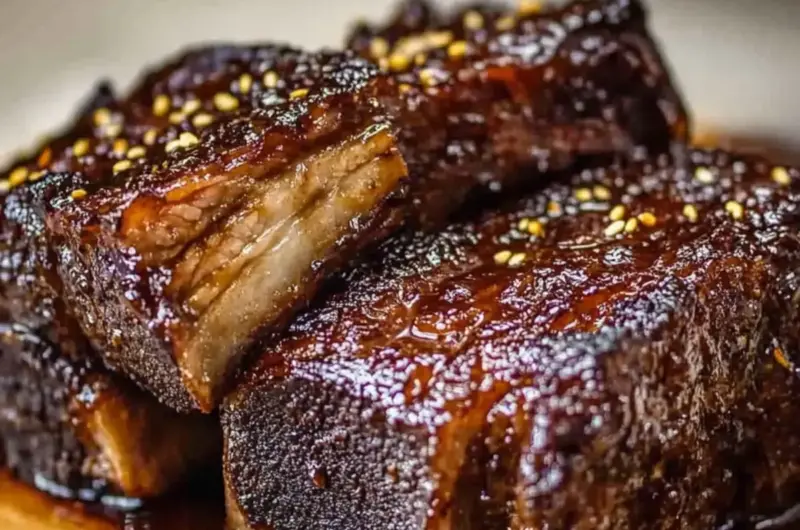
There’s something enchanting about the slow, tantalizing aroma that fills your kitchen when beef short ribs are roasting in the oven. As the hours pass, the sweet scent of caramelizing sugars and savory umami mingles with the warmth of ginger and garlic, promising a delectable feast ahead. That first taste of my caramelized Asian beef short ribs transports me to a world of rich flavors and melt-in-your-mouth tenderness, making them an ideal choice for cozy dinners or festive gatherings.
In this recipe, the ribs are slow-roasted to perfection in a glossy glaze made from soy sauce, hoisin, and brown sugar, capturing the very essence of comfort food. Perfectly adaptable to suit gluten-free diets, using tamari ensures everyone can savor this dish. Whether you’re preparing for a family dinner or looking to impress friends, these short ribs are sure to leave a lasting impression. Let’s dive into this delectable journey together and transform your next meal into an unforgettable culinary experience!
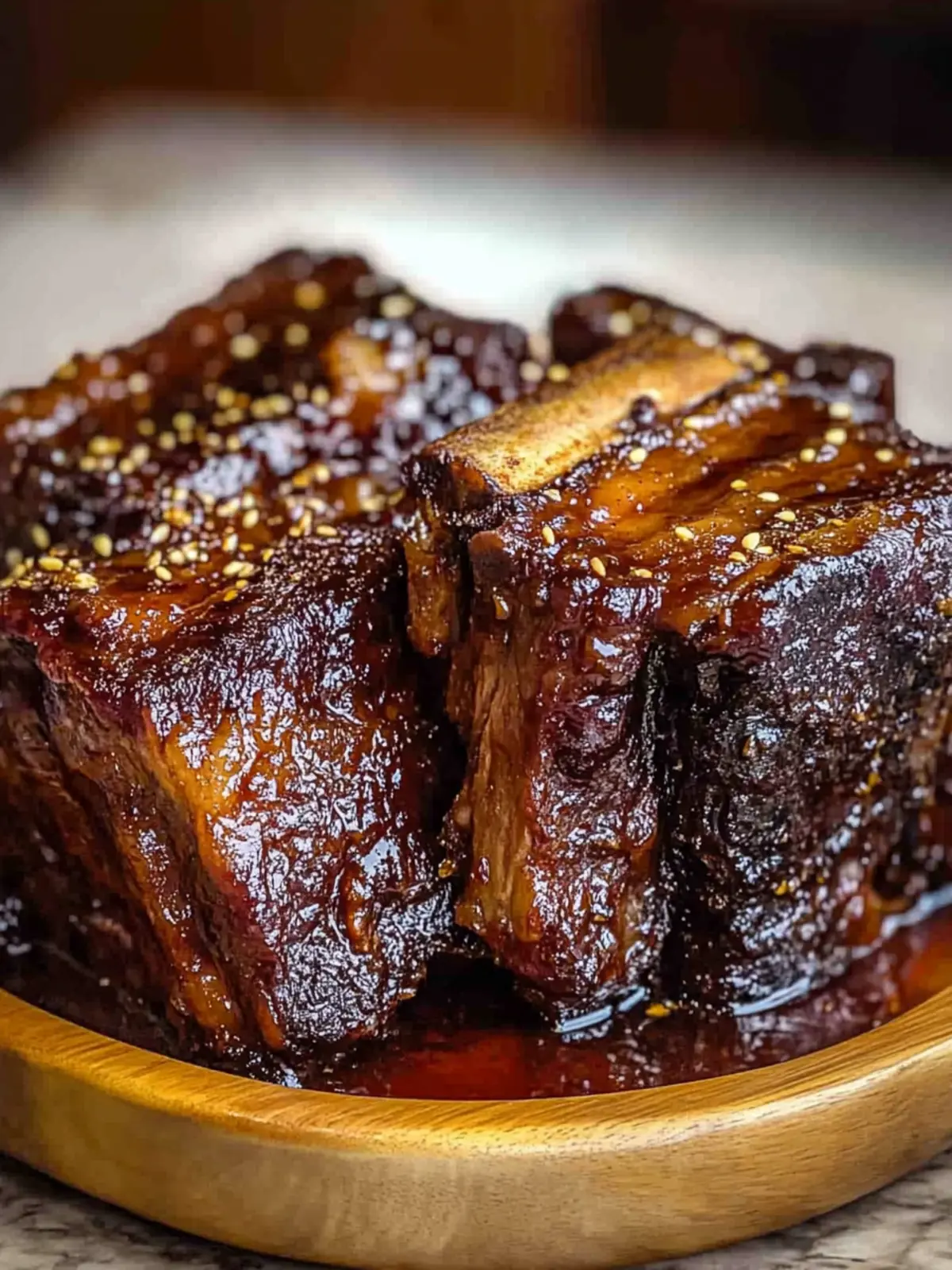
Why are Slow Roast Asian Beef Short Ribs so special?
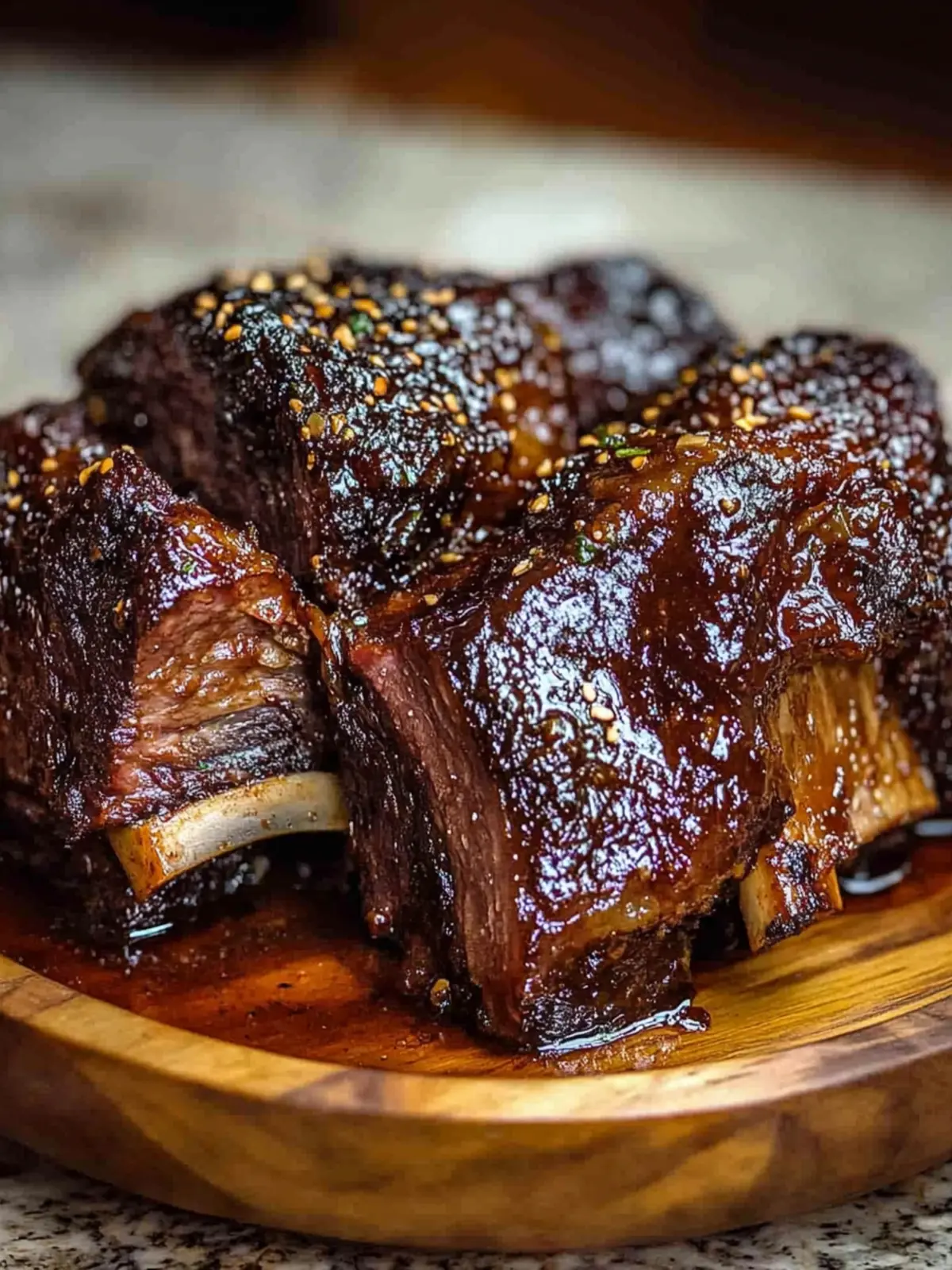
Melt-in-your-mouth tenderness: Every bite of these ribs is a burst of flavor, as they slow roast for optimal juiciness.
Savory glaze: The combination of soy sauce, hoisin, and brown sugar creates a sticky, caramelized finish that’s irresistible.
Versatile meal pairing: Serve them over rice, noodles, or alongside roasted vegetables for a complete and satisfying meal.
Crowd-pleaser: Perfect for family dinners or gatherings, these short ribs impress with their gourmet taste.
Easy prep: Simply marinate and roast—no complicated techniques required, yet the result is restaurant-quality!
Whether you’re a seasoned chef or a home cook looking for something exciting, this dish is a must-try!
Slow Roast Asian Beef Short Rib Ingredients
For the Ribs
• Bone-In Beef Short Ribs – Provides rich flavor and tenderness; boneless can be used, but may alter texture.
• Soy Sauce (or Tamari for Gluten-Free) – Adds salty umami depth to the dish.
For the Glaze
• Hoisin Sauce – Contributes sweetness and tangy richness that complements the beef.
• Mirin – Introduces subtle sweetness and acidity, enhancing the caramelization.
• Brown Sugar (or Coconut Sugar) – Promotes caramelization for that glossy finish.
For the Aromatics
• Garlic (4 cloves, minced) – Offers aromatic warmth and depth of flavor.
• Fresh Ginger (1 tbsp, grated) – Adds a warm, spicy note to balance the sweetness.
• Onion (1 small, sliced) – Infuses rich flavor during the slow-roasting.
For Optional Heat
• Chili Flakes or Sriracha (½–1 tsp, optional) – Provides heat without overwhelming the dish.
For Thickening
• Cornstarch (1 tsp mixed with 1 tbsp water, optional) – Helps thicken the glaze to a desirable consistency.
For Garnish
• Green Onions (2–3, cut into 2-inch pieces) – Adds freshness and color upon serving.
Serving Options
• Steamed Rice, Noodles, or Roasted Vegetables – Complements the rich flavors of the slow roast Asian beef short ribs for a complete meal.
How to Make Slow Roast Asian Beef Short Ribs
-
Prep Ribs: Begin by trimming any excess fat from the bone-in beef short ribs. Pat them dry with paper towels and generously season with salt and pepper to enhance their flavor.
-
Sear Ribs: Heat a skillet over medium-high heat. Add the ribs and sear them on all sides until a golden crust forms, about 3-4 minutes per side. This step locks in juicy goodness!
-
Prepare Marinade: In a bowl, mix together the soy sauce (or tamari), hoisin sauce, mirin, brown sugar, minced garlic, grated ginger, and optional chili flakes for that extra kick.
-
Roast Ribs: Place the seared ribs in a Dutch oven or a suitable roasting pan along with the marinade and sliced onion. Cover with a lid and roast at 275–300°F (135–150°C) for 3-4 hours, basting the ribs occasionally to keep them moist and flavorful.
-
Reduce Glaze: Once the ribs are tender, carefully remove them from the oven. Transfer the braising liquid to a skillet and simmer until it thickens and becomes glossy. If desired, add a cornstarch slurry to thicken the glaze to your liking.
-
Optional Broil: For an added touch of caramelization, broil the ribs for 2-3 minutes just until they develop a lovely crust—keeping a close eye to avoid burning!
-
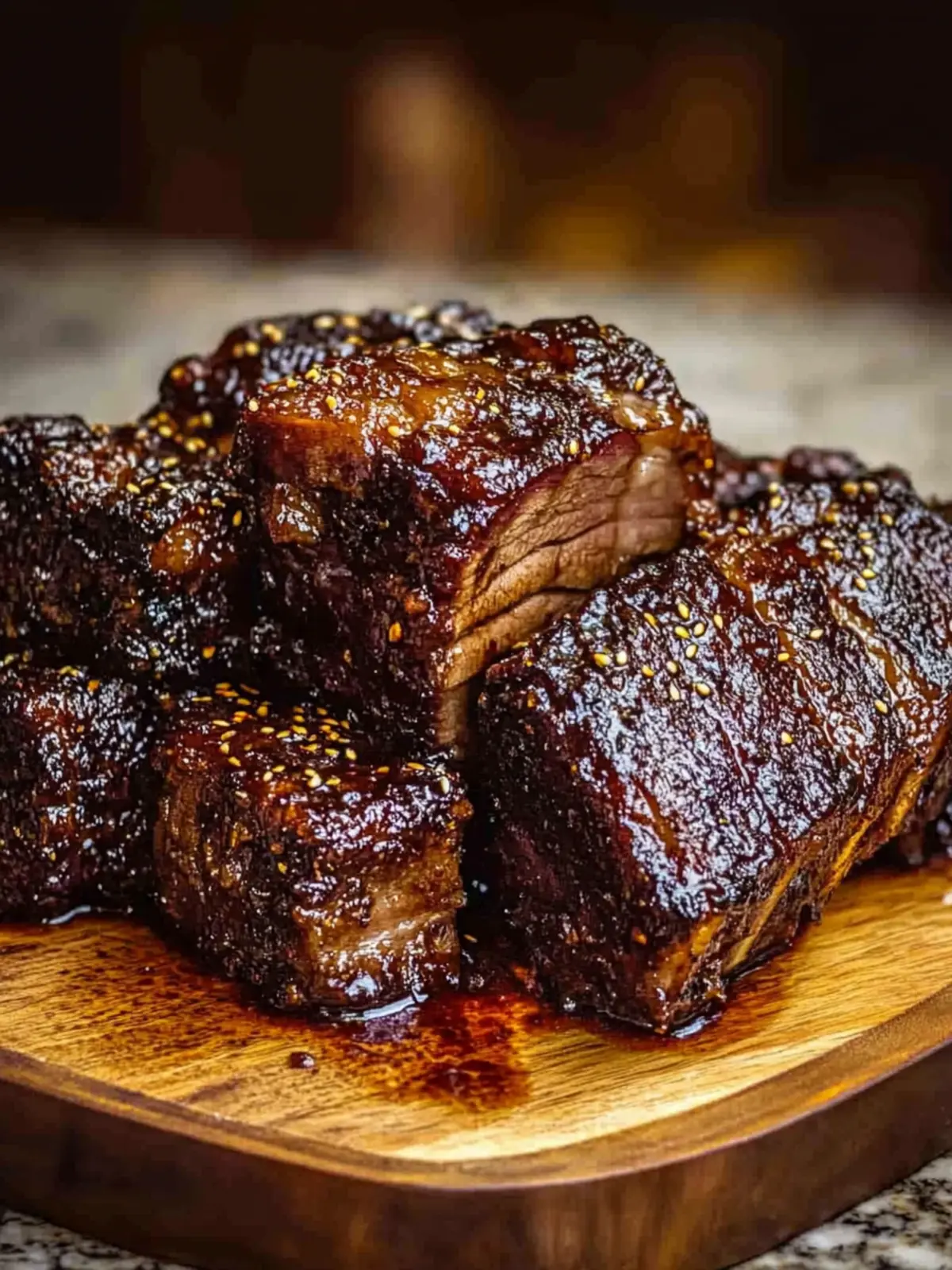
Serve: Plate the succulent ribs over a bed of steamed rice, noodles, or alongside roasted vegetables. Drizzle the reduced glaze over the top and garnish with chopped green onions for a beautiful presentation.
Optional: Add a sprinkle of sesame seeds for a delightful crunch!
Exact quantities are listed in the recipe card below.
Expert Tips for Slow Roast Asian Beef Short Ribs
-
Marinate Wisely: Marinate the ribs for at least 2 hours, ideally up to 12, to let the flavors penetrate and enhance the overall taste.
-
Sear for Flavor: Don’t skip the searing step; it creates a caramelized crust that locks in juices and adds depth to your slow roast Asian beef short ribs.
-
Use Correct Temperature: Maintain an oven temperature between 275°F to 300°F for tender ribs. Too high can lead to dry meat, and too low may result in longer cooking times.
-
Monitor Glaze Consistency: Keep an eye on the reducing glaze. Aim for a thick, glossy finish that clings to the ribs; if too thin, use cornstarch to perfect the texture.
-
Reheat with Care: When reheating leftovers, skip the microwave and opt for the oven or skillet. This preserves the ribs’ chewy tenderness without making them tough.
-
Experiment with Flavors: Feel free to adjust the glaze for a personalized touch—honey or miso adds a unique flavor profile, taking your slow roast Asian beef short ribs to the next level!
What to Serve with Slow Roast Asian Beef Short Ribs?
Pairing a few delightful sides with these rich short ribs transforms your meal into a heartwarming feast that bursts with flavor.
- Creamy Mashed Potatoes: The velvety texture of mashed potatoes complements the rich glaze, making each bite a luxurious experience.
- Steamed Jasmine Rice: This classic accompaniment perfectly absorbs the savory sauce, allowing the umami flavors to shine even brighter with every spoonful.
- Stir-Fried Bok Choy: Crisp and tender, the slight bitterness of bok choy balances the sweetness of the glaze, offering a refreshing contrast to the dish’s richness.
- Roasted Carrots: Their natural sweetness caramelizes beautifully, enhancing the overall flavor profile while adding vibrant color to your plate.
- Sesame Noodles: The nutty flavor of sesame in the noodles pairs well with the short ribs, creating a harmonious blend of textures and tastes that delights the palate.
- Pickled Vegetables: A tangy crunch from pickled veggies elevates the meal, cutting through the richness of the beef and providing a refreshing bite between mouthfuls.
- Chilled Cucumber Salad: The cool, crisp cucumbers add a refreshing element that contrasts with the hot, tender ribs, making each serving a harmonious blend of textures.
- Green Tea or Ginger Ale: A warm cup of green tea refreshes the palate, while ginger ale adds a hint of sweetness that pairs beautifully with Asian-inspired flavors.
These sides create a well-rounded, comforting meal, perfect for any occasion, inviting everyone to gather around the table and enjoy.
Storage Tips for Slow Roast Asian Beef Short Ribs
Fridge: Store leftover slow roast Asian beef short ribs in an airtight container for up to 3 days. Make sure they cool down before sealing to prevent moisture buildup.
Freezer: If you want to save them for later, freeze the ribs in a freezer-safe container or bag for up to 3 months. Thaw overnight in the fridge before reheating.
Reheating: For best results, reheat the ribs in the oven at 275°F (135°C) for about 20 minutes or until heated through, rather than using a microwave, to maintain their tender texture.
Airtight Storage: Always seal the ribs tightly to avoid freezer burn or odor transfer from other foods, ensuring they stay flavorful for your next feast!
Make Ahead Options
These Slow Roast Asian Beef Short Ribs are ideal for prepping in advance, saving you time on busy weeknights! You can marinate the ribs for up to 24 hours in the fridge to enhance their flavor. Simply follow the marinating instructions, cover, and refrigerate. On the day you plan to serve, sear and roast the ribs as directed. The glaze can also be prepared and stored in an airtight container for up to 3 days. Just simmer it on the stovetop before serving for that freshly made taste. By prepping these components ahead, you’ll enjoy rich, satisfying flavors with minimal effort when it’s time to eat!
Slow Roast Asian Beef Short Ribs Variations
Feel free to tailor this recipe to suit your taste buds, making your meal even more delightful and personal!
- Gluten-Free: Substitute tamari for soy sauce to enjoy these ribs without gluten.
- Sweet Swap: Use coconut sugar or maple syrup instead of brown sugar for a unique sweetness that enhances caramelization.
- Different Cuts: If short ribs aren’t available, consider using chuck roast or brisket for a different texture and flavor experience.
- Spice it Up: Add more chili flakes or toss in fresh sliced chili for an extra kick without overpowering the dish.
- Herb Infusion: Incorporate fresh herbs like cilantro or basil into the glaze for an aromatic twist that brightens each bite.
- Asian Twist: Experiment with miso paste in the glaze for a depth of umami flavor that elevates the ribs to gourmet proportions.
- Smoke Flavor: Add a few drops of liquid smoke to the marinade for a subtle smoky touch, bringing another layer of flavor to your slow-roasted ribs.
- Cook in Instant Pot: For a quicker version, cook the prepared ribs in an Instant Pot for about 45 minutes, then finish them under the broiler for that caramelized glaze.
Each variation brings its own magic, ensuring that no two servings of these slow roast Asian beef short ribs will ever be the same!
Slow Roast Asian Beef Short Ribs Recipe FAQs
What type of beef short ribs should I use?
For the best flavor and tenderness, I recommend using bone-in beef short ribs. They provide a rich taste and juicy texture that makes this dish so special. If you’re unable to find bone-in short ribs, boneless ones can be substituted, but the texture may differ slightly.
How can I choose the best ripeness for the ingredients?
When selecting your ingredients, particularly the fresh ginger and garlic, look for firm, unblemished bulbs. Fresh ginger should be smooth and juicy; avoid any that feel dry or have dark spots. For green onions, choose bright green stalks without wilting or browning at the tips.
How should I store leftover short ribs?
After enjoying your slow roast Asian beef short ribs, store any leftovers in an airtight container in the refrigerator for up to 3 days. Be sure to let them cool before sealing to prevent moisture buildup, which can lead to sogginess.
Can I freeze the short ribs?
Absolutely! You can freeze your leftover slow roast Asian beef short ribs in a freezer-safe container or a resealable plastic bag for up to 3 months. When you’re ready to enjoy them again, thaw overnight in the fridge. For reheating, bake them in the oven at 275°F (135°C) for about 20 minutes, ensuring they stay tender and delicious.
Why shouldn’t I microwave the ribs when reheating?
Microwaving your slow roast Asian beef short ribs can make them tough and chewy. Instead, use the oven or a skillet to reheat; this helps maintain their juicy tenderness and enhances the flavor as they gently warm up. Trust me, it makes a world of difference!
Are there any dietary considerations for this recipe?
Yes! If you or your guests have gluten sensitivities, simply substitute soy sauce with tamari for a gluten-free version. Additionally, those with allergies should always check the ingredient labels to ensure that no contaminants are present, particularly when it comes to sauces and marinades.
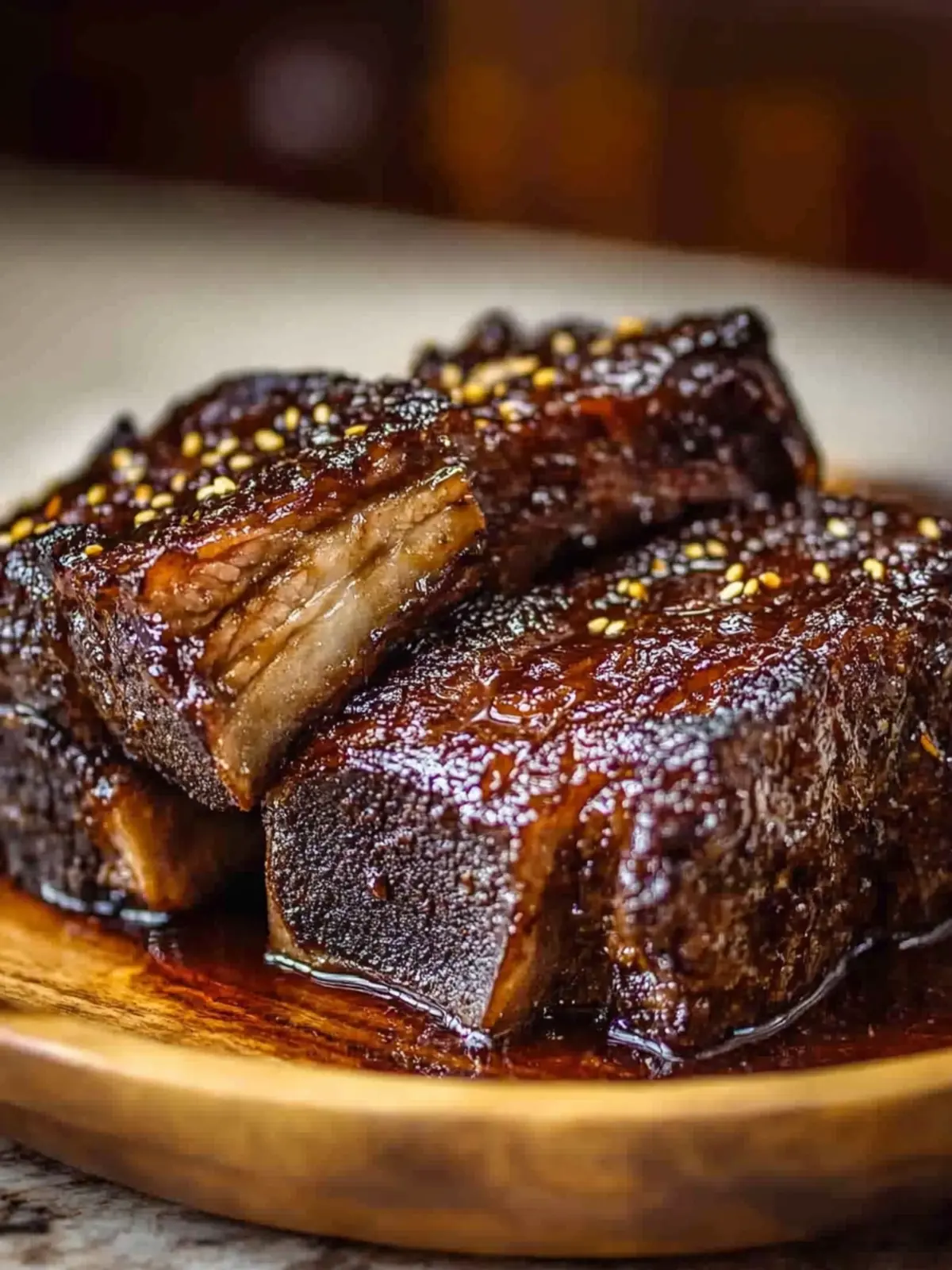
Slow Roast Asian Beef Short Ribs: A Flavorful Comfort Feast
Ingredients
Equipment
Method
- Begin by trimming any excess fat from the bone-in beef short ribs. Pat them dry with paper towels and generously season with salt and pepper.
- Heat a skillet over medium-high heat. Add the ribs and sear them on all sides until a golden crust forms, about 3-4 minutes per side.
- In a bowl, mix together the soy sauce (or tamari), hoisin sauce, mirin, brown sugar, minced garlic, grated ginger, and optional chili flakes.
- Place the seared ribs in a Dutch oven or a suitable roasting pan along with the marinade and sliced onion. Cover with a lid and roast at 275-300°F (135-150°C) for 3-4 hours.
- Once the ribs are tender, carefully remove them from the oven. Transfer the braising liquid to a skillet and simmer until it thickens.
- For an added touch, broil the ribs for 2-3 minutes until they develop a lovely crust.
- Plate the ribs over a bed of steamed rice, noodles, or roasted vegetables. Drizzle the reduced glaze over the top and garnish with chopped green onions.