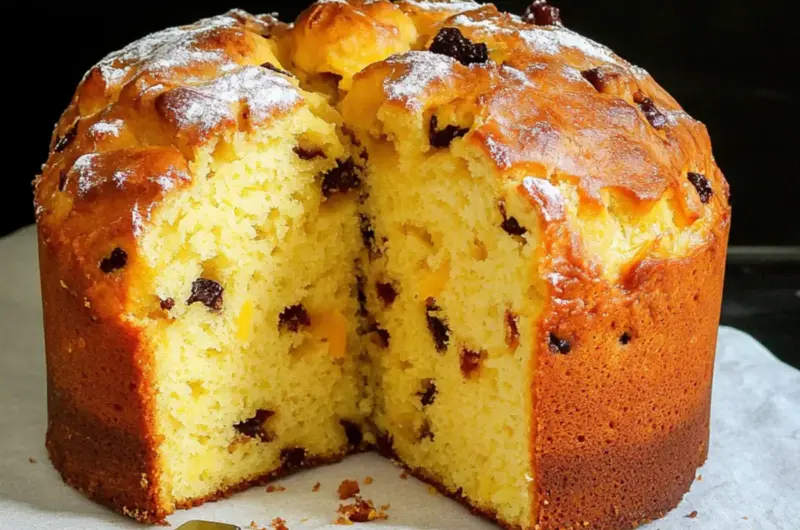
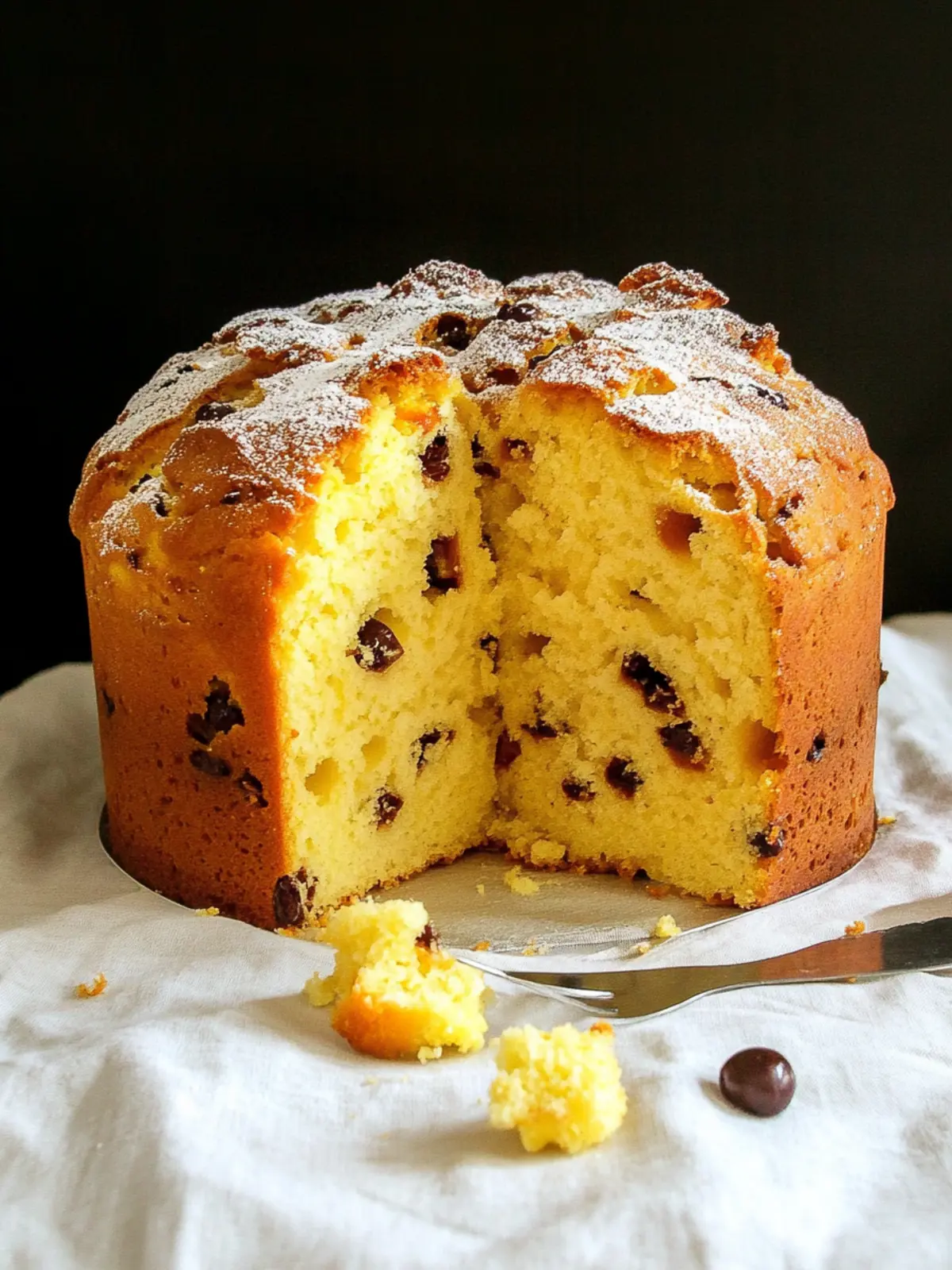
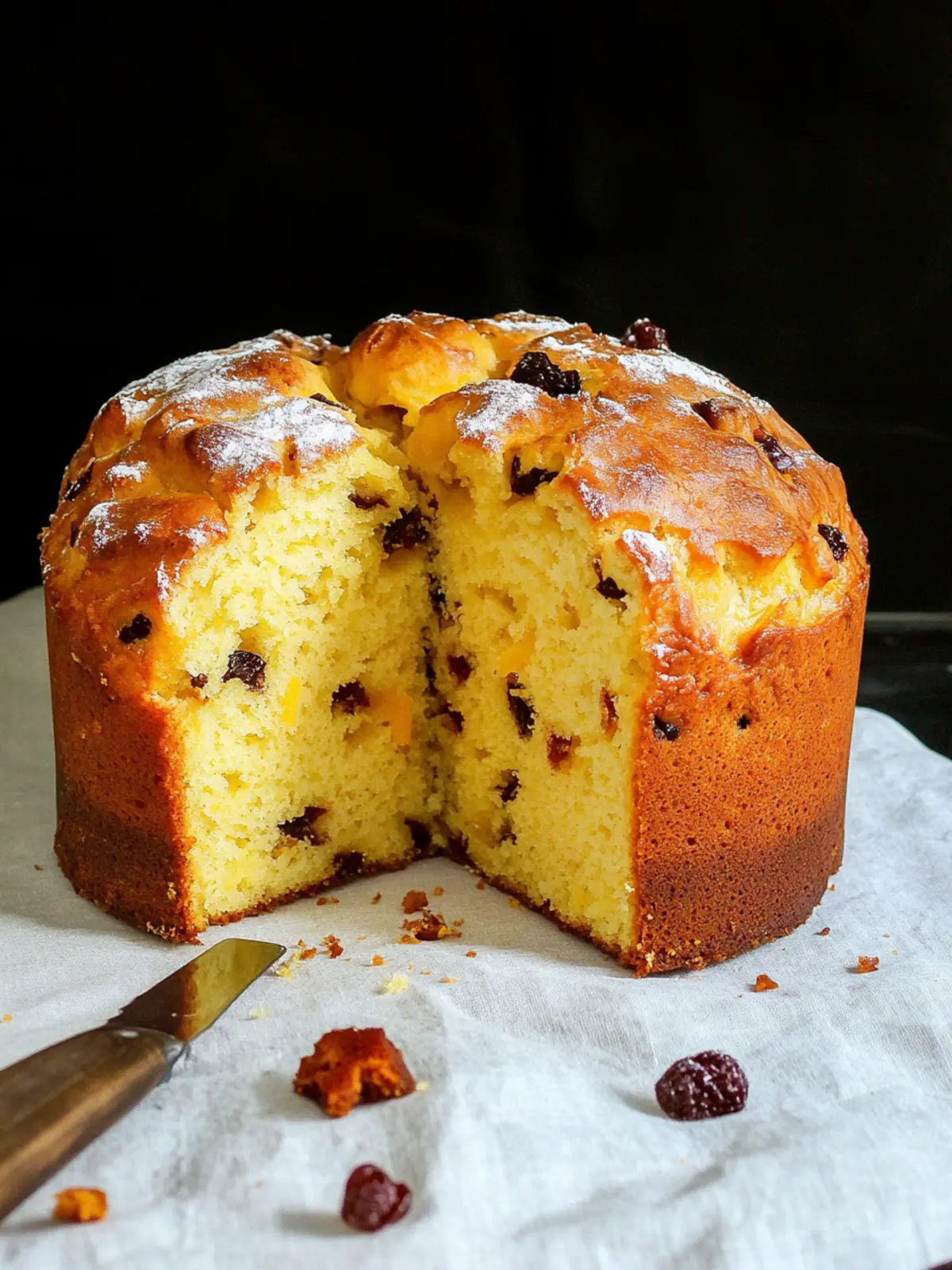
As the holiday season approaches, the aroma of baking bread fills my home, creating an atmosphere of warmth and joy. Last year, I found myself reminiscing about my childhood winters in Italy, where the sight of a beautifully risen Classic Italian Panettone was the centerpiece of every festive table. This exquisite bread-like cake, infused with plump raisins and the sweetness of candied orange peel, isn’t just a holiday tradition—it’s a delightful experience that brings family and friends together.
What’s truly special about this Panettone is its versatility; whether shared over coffee on a brisk winter morning or transformed into decadent French toast, this fluffy treat never fails to impress. Slicing into your own homemade Panettone and revealing its tender, moist interior feels like uncovering a little piece of tradition and heritage. Join me on this culinary adventure, and let’s craft this delightful Classic Italian Panettone together, ensuring that it becomes a cherished part of your holiday celebrations!
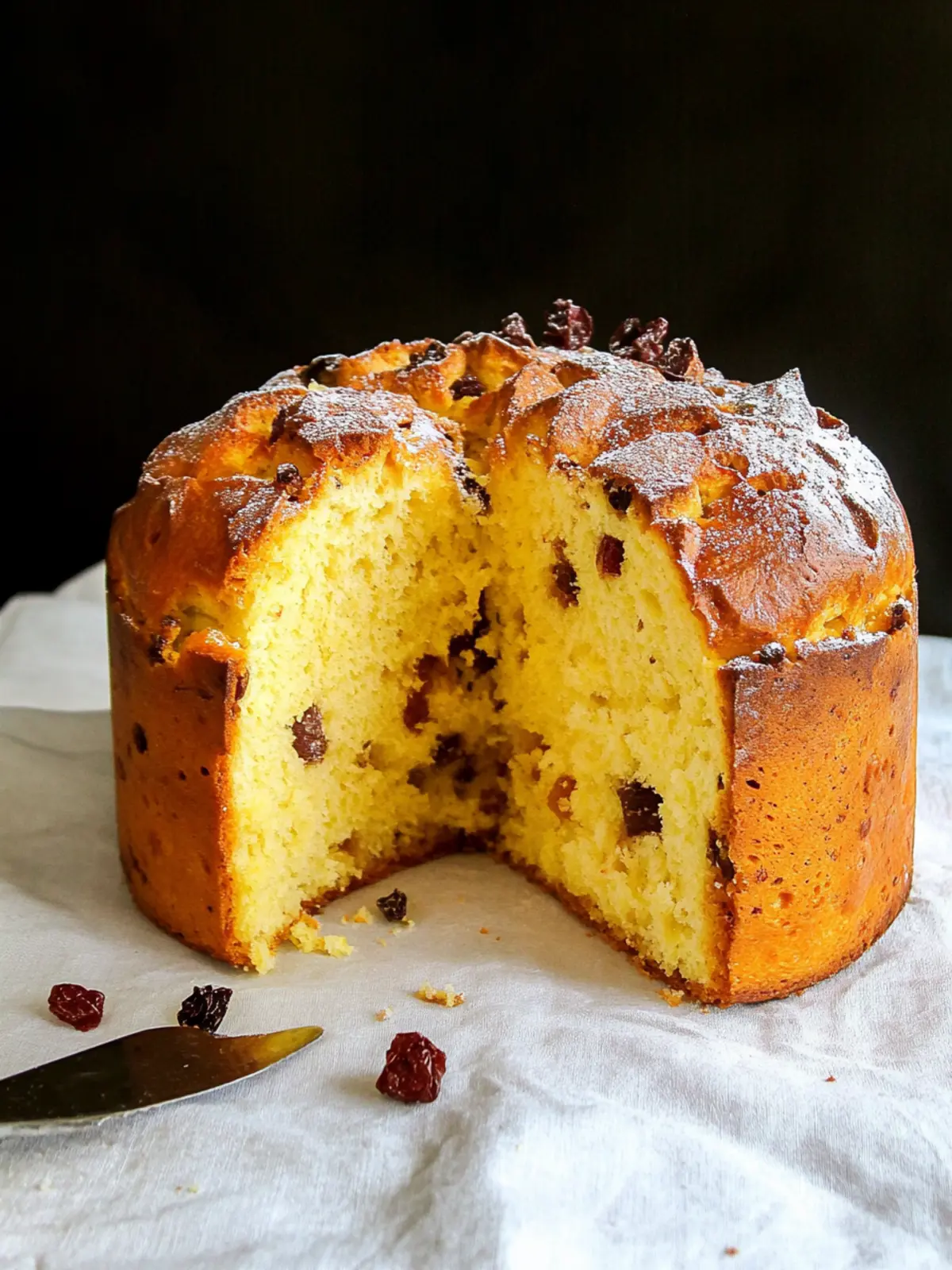
Why is Classic Italian Panettone a Must-Bake?
Amazingly Aromatic: The scent of baking Panettone fills your kitchen with holiday cheer, inviting everyone to gather around.
Irresistibly Moist: Each slice reveals a soft and fluffy texture, perfectly balanced with sweet raisins and candied orange peel.
Versatile Treat: Enjoy it fresh, make delightful French toast, or even use it in a festive bread pudding for a delicious twist.
Tradition for All: This recipe carries the rich heritage of Italy, making it a wonderful way to celebrate the season with family and friends.
Easy to Adapt: Customize it with your favorite flavors, whether it’s swapping raisins for figs or adding chocolate chips for a sweeter treat.
So, gear up to create your own Classic Italian Panettone and make this holiday season unforgettable!
Classic Italian Panettone Ingredients
For the Dough
- Warm milk – Activates yeast; use room temperature or almond milk for a dairy-free option.
- Dried yeast – Leavening agent for the dough; instant yeast can shorten rise time.
- Sugar – Sweetens and helps the yeast ferment; brown sugar adds a richer flavor.
- Room temperature butter – Provides moisture and richness; substitute with plant-based butter for a vegan option.
- Large eggs, beaten – Contributes structure and richness; can replace with egg substitute for a dairy-free version.
- Vanilla extract – Enhances flavor; opt for real vanilla or vanilla bean paste for a stronger taste.
- Grated zest of lemon – Adds fresh flavor; lime zest can create an interesting twist.
- Grated zest of orange – Offers aromatic citrus notes; substitute with additional lemon zest if desired.
- Flour – Main structure of the cake, about 3 1/2 cups, plus extra as needed; bread flour yields a chewier texture.
- Pinch of salt – Balances sweetness and elevates flavor.
For the Decorations
- Raisins – Add sweetness and chewiness; dried cranberries or currants can be used as substitutes.
- Rum extract – Infuses depth of flavor; use vanilla extract if preferred.
- Candied lemon and orange peel, finely chopped – Provide sweetness and texture; chocolate chips make for a sweeter variation.
Your journey to creating a beautiful Classic Italian Panettone is just a recipe away! Happy baking!
How to Make Classic Italian Panettone
-
Grease the pan: Begin by generously greasing your Panettone pan with softened butter. This ensures that your cake will come out easily once baked. Set the pan aside while you prepare the dough.
-
Prepare the yeast mixture: In a bowl, combine warm milk, yeast, and a teaspoon of sugar. Let it sit for about 5-10 minutes until it becomes frothy—this means your yeast is activated and ready to work its magic!
-
Make the dough: In a large mixing bowl, beat together the remaining sugar with softened butter and vanilla extract until creamy. Gradually add in the beaten eggs, blending well each time. In a separate bowl, mix flour and salt, then combine it with the yeast mixture and butter to form a soft dough. Knead for about 5 minutes until it’s smooth.
-
First rise: Place the kneaded dough into a greased bowl, cover it with plastic wrap, and let it rise in a warm spot for about 2 hours until it doubles in size—the dough should be fluffy and soft.
-
Incorporate the fruit: After the first rise, gently knead in the soaked raisins and chopped candied peel until evenly distributed throughout the dough. Shape it into a large ball and place it in the prepared Panettone pan.
-
Second rise: Cover the dough once again and let it rise for an additional hour. It should rise to the top of the pan, creating a lovely dome shape in preparation for baking.
-
Preheat the oven: While the dough is rising, preheat your oven to 350°F (175°C). For a lovely shine, brush the top of the dough with a mixture of icing sugar and egg white just before baking.
-
Bake the Panettone: Once preheated, carefully place your Panettone in the oven. Bake for 50-55 minutes, or until it turns a delightful golden brown and cooked through—check doneness by inserting a skewer; it should come out clean.
-
Cool the cake: After baking, remove the Panettone from the oven and let it cool in the pan for about 10 minutes. Then, gently transfer it to a wire rack to cool completely—this prevents it from collapsing.
Optional: Dust with powdered sugar before serving for a festive touch!
Exact quantities are listed in the recipe card below.
How to Store and Freeze Classic Italian Panettone
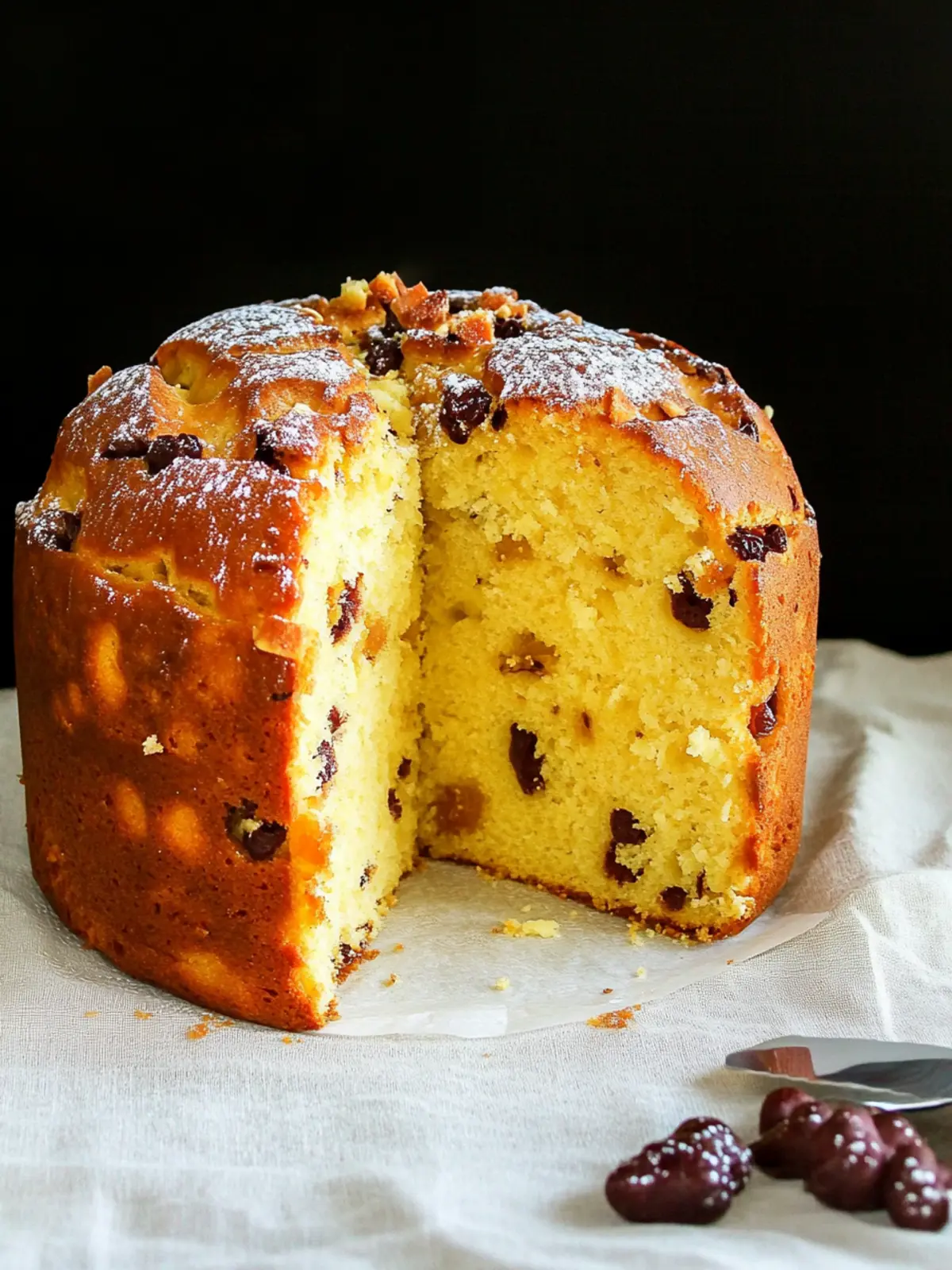
Room Temperature: Wrap your cooled Classic Italian Panettone tightly in plastic wrap to keep it moist; it will stay fresh for up to 7 days.
Fridge: While you can refrigerate it, it’s best to avoid this as it can dry out. If needed, wrap it well and consume within 5 days.
Freezer: For longer storage, slice the Panettone and place in an airtight container. It can be frozen for up to one month; simply thaw at room temperature before enjoying.
Reheating: To refresh your Panettone, place slices in a toaster or warm them in a oven at low heat for a few minutes, enhancing its fluffy texture!
Expert Tips for Classic Italian Panettone
Warm Milk Magic: Ensure the milk is warm to the touch, as hot milk can kill the yeast, halting your dough’s rise.
Gradual Flour Addition: Add flour slowly while kneading to manage stickiness; this helps achieve the perfect dough consistency for your Classic Italian Panettone.
Check Doneness: Use a skewer to test doneness; it should pull out clean from the center for a successful bake.
Upside Down Cooling: After baking, hang your Panettone upside down to cool; this prevents collapsing and maintains its lovely dome shape.
Customize with Care: While variations are delightful, avoid overloading your dough with additional fruits or nuts, which can affect rise and texture.
Classic Italian Panettone Variations
Explore delightful twists to elevate your Classic Italian Panettone into a personalized family favorite!
-
Dried Fruit Swap: Replace raisins with dried apricots or figs for a sweet flavor profile that surprises the palate. These fruits add a unique twist while keeping the festive feel.
-
Chocolate Lovers: Add semi-sweet or dark chocolate chips for a deliciously decadent alternative to the traditional recipe. This option introduces a rich sweetness that pairs beautifully with the bread’s fluffiness.
-
Nutty Delight: Incorporate chopped almonds or walnuts for added crunch and flavor. The texture of the nuts accentuates the soft, pillowy interior, creating a glorious contrast on every bite.
-
Zesty Variation: Replace the orange zest with lime zest for a refreshing citrus twist. The bright flavors will awaken your senses and make each slice taste like a sunny day!
-
Extract Extravaganza: Experiment with different extracts, such as almond or hazelnut, to give your Panettone an aromatic boost that tantalizes the taste buds. Just a teaspoon in the dough can transform the flavor profile spectacularly.
-
Spice It Up: Add a sprinkle of cinnamon or nutmeg for a warm, holiday-inspired flavor. These spices envelop the cake in cozy notes, making it ideal for cold winter days.
-
Citrus Twist: Substitute candied lemon and orange peel with candied ginger for a spicy kick. This adds warmth and a unique flavor that brings a refreshing twist to the holiday classic.
-
Sweetened Cream: Top slices with a dollop of whipped cream or a drizzle of honey for an indulgent finishing touch. This creaminess complements the Panettone’s soft texture, turning it into a delightful dessert experience.
Enjoy customizing your festive bake and making it uniquely yours!
What to Serve with Classic Italian Panettone?
Complete your festive meal with delightful pairings that elevate each slice of your delicious Panettone, making it a centerpiece to remember.
-
Rich Mascarpone: A dollop of mascarpone adds creamy richness that perfectly contrasts the fluffy texture of the Panettone.
-
Espresso or Coffee: The boldness of a strong coffee balances the sweetness while providing a cozy vibe—perfect for winter gatherings.
-
Fresh Berries: A vibrant mix of strawberries or raspberries brings a refreshing tartness that cuts through the richness and brightens your plate.
-
Whipped Cream: Light and airy, whipped cream enhances the moisture of the Panettone, making each bite feel indulgent.
-
Chocolate Sauce: Drizzling slightly warmed chocolate sauce over your slices can transform the Panettone into an elegant dessert, pleasing chocolate lovers.
-
Spiced Wine: Mulled wine, infused with fragrant spices, creates a warm, inviting atmosphere that pairs beautifully with holiday desserts.
-
Vanilla Ice Cream: Serve warm slices with a scoop of vanilla ice cream for a fabulous contrast of temperatures and textures—truly a comforting treat!
These delicious options not only complement the rich flavors of the Classic Italian Panettone but also enrich your celebratory experience. Enjoy!
Make Ahead Options
These Classic Italian Panettone are perfect for meal prep enthusiasts! You can prepare the dough up to 24 hours in advance. Simply follow the initial steps of making the dough and let it rise, then shape it and place it in the prepared Panettone pan. Cover it tightly with plastic wrap and refrigerate overnight. When you’re ready to bake, take it out, allow it to come to room temperature while giving it a final rise for about 1 hour before preheating your oven. By preparing ahead, you not only save time but also ensure a delightful, fluffy Panettone that’s just as delicious as if you made it fresh on the day of serving!
Classic Italian Panettone Recipe FAQs
How do I select the best ingredients for my Classic Italian Panettone?
Absolutely! When choosing ingredients, aim for high-quality dried yeast and fresh flour to ensure your Panettone rises beautifully. For the best flavor, use plump, organic raisins and fragrant candied orange peel. Freshly grated citrus zest is essential too—look for bright, unblemished fruit, and avoid ones with dark spots that indicate overripeness.
How should I store my Classic Italian Panettone?
For keeping your Panettone fresh, wrap it tightly in plastic wrap after it has cooled completely. This method preserves moisture and flavor, allowing it to stay delicious for up to one week at room temperature. If you need to store it longer, consider popping it in the freezer for up to one month—just make sure to slice it beforehand for easy thawing!
Can I freeze my Classic Italian Panettone?
Yes, indeed! Freezing is an excellent way to preserve your Panettone. After it has cooled, slice it and place the pieces in an airtight container or a heavy-duty freezer bag. Be sure to remove as much air as possible before sealing. To enjoy it later, simply thaw the slices at room temperature, or pop them in a toaster for a warm treat!
What if my Panettone didn’t rise properly?
Very common! If your dough hasn’t risen as expected, it could be due to using milk that was too hot, which kills the yeast. Always use warm, but not hot, milk to activate your yeast. Additionally, double-check the expiration date on your yeast—if it’s too old, it may not be active enough. If your dough is too sticky, gradually incorporate more flour during kneading until you achieve a smooth texture.
Are there any dietary considerations for making Classic Italian Panettone?
Absolutely, this recipe can be adapted to suit various dietary needs. For a dairy-free version, you can use almond milk and plant-based butter. To accommodate those with egg allergies, consider using flaxseed or chia seed eggs as replacements—mix 1 tablespoon of ground flaxseed or chia seed with 2.5 tablespoons of water for each egg needed. Always check for allergen-free substitutes for ingredients such as nuts or fruits, if needed!
Classic Italian Panettone: Bake Your Holiday Joy!
Ingredients
Equipment
Method
- Grease the pan with softened butter and set aside.
- Combine warm milk, yeast, and a teaspoon of sugar in a bowl. Let sit until frothy.
- Beat sugar, softened butter, and vanilla extract until creamy. Gradually add beaten eggs. Mix flour and salt, combine with yeast mixture and butter to form a soft dough. Knead for about 5 minutes.
- Let the kneaded dough rise in a greased bowl, covered, for about 2 hours until doubled in size.
- Knead in soaked raisins and chopped candied peel, shape into a ball and place in the prepared pan.
- Let rise again for about 1 hour until it reaches the top of the pan.
- Preheat your oven to 350°F (175°C). Brush the top of the dough with icing sugar and egg white mixture before baking.
- Bake for 50-55 minutes until golden brown and a skewer comes out clean.
- Cool in the pan for about 10 minutes, then transfer to a wire rack.
- Optional: Dust with powdered sugar before serving.