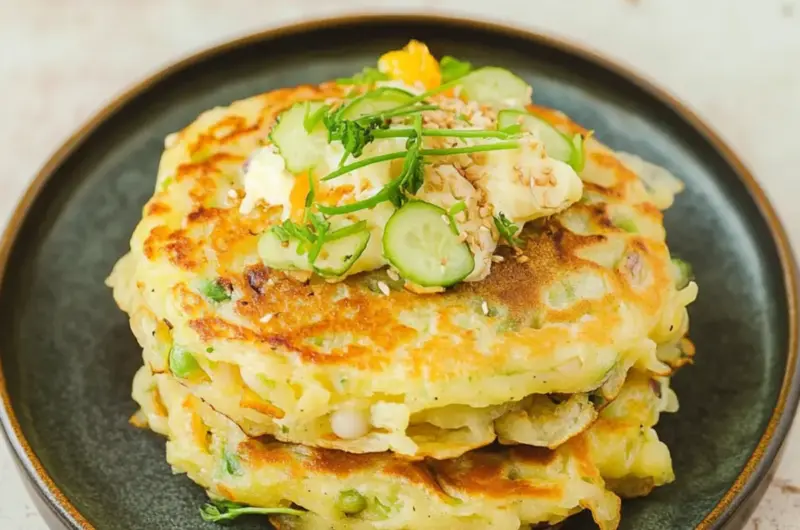
When the craving for comfort food hits, nothing quite compares to the joyful crisp of a delicious pancake. I recently rediscovered a delightful recipe for Korean Mung Bean Pancakes, known as Bindaetteok, and found myself whisked away to a cozy kitchen bustling with flavor and warmth. These gluten-free, vegan pancakes not only boast a satisfying crunch, but they also pack a hearty protein punch, making them the perfect addition to any meal or snack time.
As I gathered simple ingredients like mung beans, sweet rice, and colorful vegetables, I could feel the anticipation building. The best part? Bindaetteok highlights the fresh flavors of home cooking and can be tailored to whatever veggies you have on hand! Trust me, there’s a world of flavor in these savory pancakes, and with just a few straightforward steps, you’ll be serving up a plateful of these irresistible bites in no time. Let’s dive into this culinary adventure together!

Why Are Korean Mung Bean Pancakes a Must-Try?
Crispy on the outside and soft on the inside, these vegan pancakes offer a delightful contrast that’s hard to resist. High-protein and gluten-free, they’re a wholesome option for anyone looking to step away from fast food. Versatile by nature, you can customize the veggies based on personal preference or availability, making them a great way to clean out the fridge. Quick to prepare with simple steps, you’ll have a delicious snack or meal ready in no time. Plus, they’re sure to impress your family and friends with their authentic Korean flavors!
Korean Mung Bean Pancake Ingredients
• Prepare to indulge in authentic Korean Mung Bean Pancakes with this carefully curated ingredient list!
For the Batter
- Dried Mung Beans – Provide a protein-rich base; soak them overnight for the best texture.
- Sweet Rice (Glutinous Rice) – Essential for binding; no substitutes for its unique qualities.
- Salt – Enhances flavors within the pancakes; adjust to your liking.
For the Vegetables
- Shredded Cabbage or Carrots (¾ cup) – Add nutrition and crunch; feel free to swap for zucchini or spinach.
- Shiitake Mushrooms (4-5, thinly sliced) – Bring umami and moisture; can be replaced with other mushrooms or omitted.
- Mung Bean Sprouts (1 cup) – Contribute freshness and crunch; substitute with other crunchy veggies if needed.
- Green Onions (5, chopped) – Impart a mild onion flavor; regular onions can work too!
- Large Shallot (1, thinly sliced) – Offers sweetness; red onion is a fitting alternative.
- Zucchini (½, thinly sliced) – Adds moisture; other summer squashes can be used.
For the Dipping Sauce
- Gluten-Free Soy Sauce (3 tbsp) – Adds depth to the sauce; ensure it’s gluten-free for best results.
- Toasted Sesame Oil (1 tbsp) – Infuses a nutty aroma; substituting it may alter the flavor.
For Garnishing
- Scallions & Toasted Sesame Seeds – Elevate the look and taste; optional but highly recommended.
- Pepper – For seasoning; adjust according to your taste preferences.
How to Make Korean Mung Bean Pancakes
-
Prepare Mung Beans: Rinse the dried mung beans and sweet rice several times in cold water. Then, soak them in fresh water overnight to ensure they soften nicely. Drain before use for the best results.
-
Make Batter: In a blender, combine the soaked mung beans, sweet rice, salt, and ¾ cup of water. Blend until smooth, creating a creamy batter. Pour this delightful mixture into a mixing bowl.
-
Incorporate Vegetables: Now it’s time to add flavor! Gently fold in your prepared shredded vegetables into the batter. Mix well until everything is fully incorporated for a colorful and nutritious pancake.
-
Cook Pancakes: Heat a generous amount of oil in a nonstick skillet over medium-high heat. Pour about ½ cup of batter into the pan, spreading it thinly. Cook until the underside is golden and crispy (about 2-3 minutes), then flip to crisp the other side. Repeat until all the batter is used.
-
Serve: Allow your beautiful pancakes to cool slightly before serving. They can be enjoyed at room temperature with your preferred dipping sauce for an extra burst of flavor!
Optional: Garnish with scallions and toasted sesame seeds for an added touch of flair and taste.
Exact quantities are listed in the recipe card below.
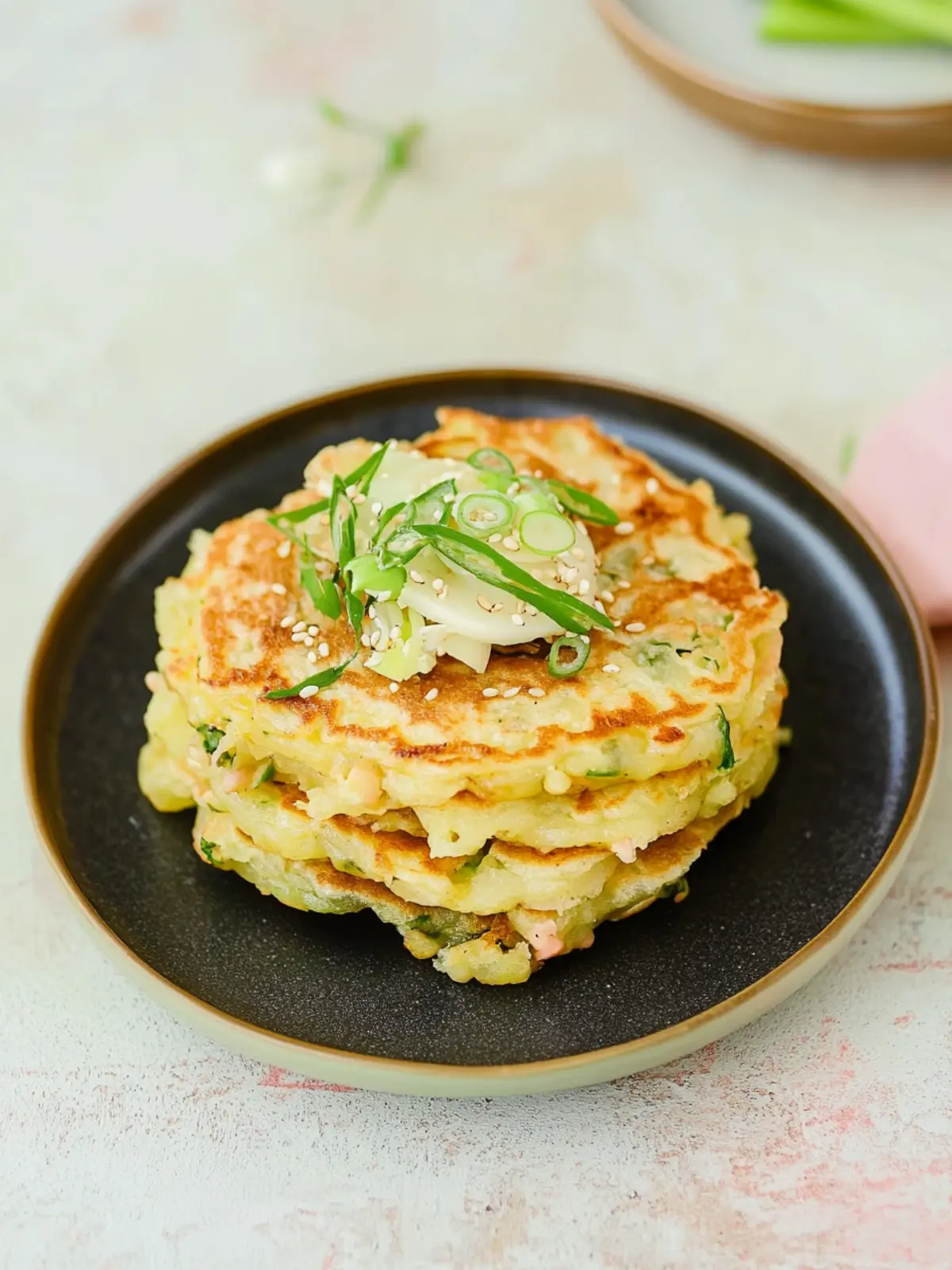
Make Ahead Options
These Korean Mung Bean Pancakes are perfect for busy home cooks looking to streamline meal prep! You can soak the mung beans and sweet rice up to 24 hours in advance for a creamier batter. Additionally, chop and prepare your vegetables (like cabbage and mushrooms) ahead of time; they can be refrigerated for up to 3 days. When you’re ready to cook, simply blend the soaked mixture with the veggies, and pan-fry the pancakes as directed until crispy. This way, you’ll have a delicious meal at your fingertips, ready to impress family or guests, ensuring they taste just as delightful!
What to Serve with Korean Mung Bean Pancakes?
These savory pancakes are simply irresistible, and they deserve delightful company to round out a meal.
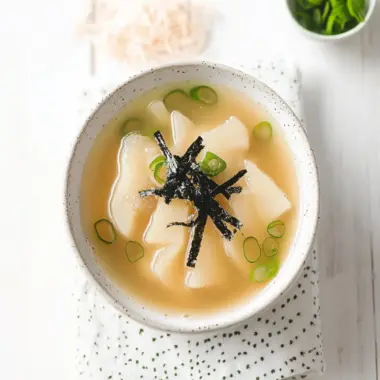
- Korean Dduk Guk: A comforting rice cake soup that brings warmth to your table; its subtle flavors complement the crispy texture of the pancakes beautifully.
- Fresh Cucumber Salad: Crisp, refreshing cucumber tossed in tangy vinegar balances the savory richness of the pancakes and adds a delightful crunch.
- Kimchi: This spicy, fermented side dish offers a tangy contrast, enhancing the creamy texture of the pancakes and introducing probiotic benefits.
- Sesame Spinach Salad: Lightly seasoned spinach dressed in sesame oil adds a nutty flavor that pairs well with the pancakes, making your plate both nutritious and tasty.
- Miso Soup: Silky and warming, this traditional soup complements the crispiness with its umami depth, making each bite even more satisfying.
- Steamed Rice: A simple side that provides a mild base to soak up the delicious dipping sauce and rounds out the meal perfectly.
- Toasted Seaweed Salad: The combination of crunchy and chewy textures adds an intriguing component, elevating the meal with a touch of oceanic flavor.
- Chilled Green Tea: This refreshing drink cleanses the palate and enhances the overall experience with its soothing, earthy notes.
Korean Mung Bean Pancakes Variations
Embrace your culinary creativity by customizing these delightful pancakes to match your taste buds!
- Dairy-Free: Replace any dairy-based dipping sauce with a homemade vegan alternative using cashew cream or coconut yogurt for a rich flavor.
- Spicy Twist: Add a dash of chili flakes or finely chopped jalapeños into the batter for a kick of heat that beautifully contrasts with the savory pancake.
- Herb Infusion: Incorporate fresh herbs like cilantro or parsley into the batter for a burst of fresh flavor that brightens each bite.
- Veggie Medley: Mix in different vegetables such as bell peppers, spinach, or corn for added texture and a colorful presentation that will certainly impress.
- Savory Kimchi: Fold in chopped kimchi into the batter to infuse your pancakes with a tangy, spicy flavor that elevates the dish, creating a uniquely Korean experience.
- Asian Fusion: Experiment by adding a teaspoon of miso paste to the batter for an umami depth that transforms the pancakes into a gourmet delight.
- Nutty Crunch: Toss in some finely chopped nuts such as walnuts or peanuts for a delightful crunch that complements the soft texture of the pancakes.
- Sauce Variations: Try different dipping sauces, such as a spicy mayo or a sweet chili sauce, to cater to your personal preference for either sweet or savory dips.
Enjoy the process of exploring these variations, and let your kitchen fill with the warm, enticing aromas of creativity!
How to Store and Freeze Korean Mung Bean Pancakes
Fridge: Store leftover pancakes in an airtight container for up to 3 days, ensuring they remain fresh and delicious.
Freezer: Allow the pancakes to cool completely, then place them in a single layer in a freezer-safe bag or container. They can be stored for up to 2 months.
Reheating: To restore their crispy texture, reheat the frozen Korean Mung Bean Pancakes in a nonstick skillet over medium heat, adding a touch of oil if needed.
Serving Warm: These pancakes are best enjoyed warm, so only reheat what you plan to eat to savor the delightful flavors and textures each time!
Expert Tips for Korean Mung Bean Pancakes
-
Soaking is Key: Ensure that the mung beans soak overnight; this results in a creamy batter that enhances the texture and aids digestion.
-
Oil Generosity: Don’t shy away from using a generous amount of oil when frying; this is essential for achieving the crispy edges that make these pancakes irresistible.
-
Patience When Flipping: The pancakes are dense, so take your time when flipping them. Rushing can result in broken pancakes and a less satisfying presentation.
-
Freezing for Later: If you want to make a batch ahead, cool the pancakes completely before freezing them. Reheating them in a pan restores their delightful texture.
-
Veggie Variety: Feel free to experiment with different vegetables based on what you have on hand. This creativity not only enhances flavor but also boosts the nutritional value of your Korean Mung Bean Pancakes.
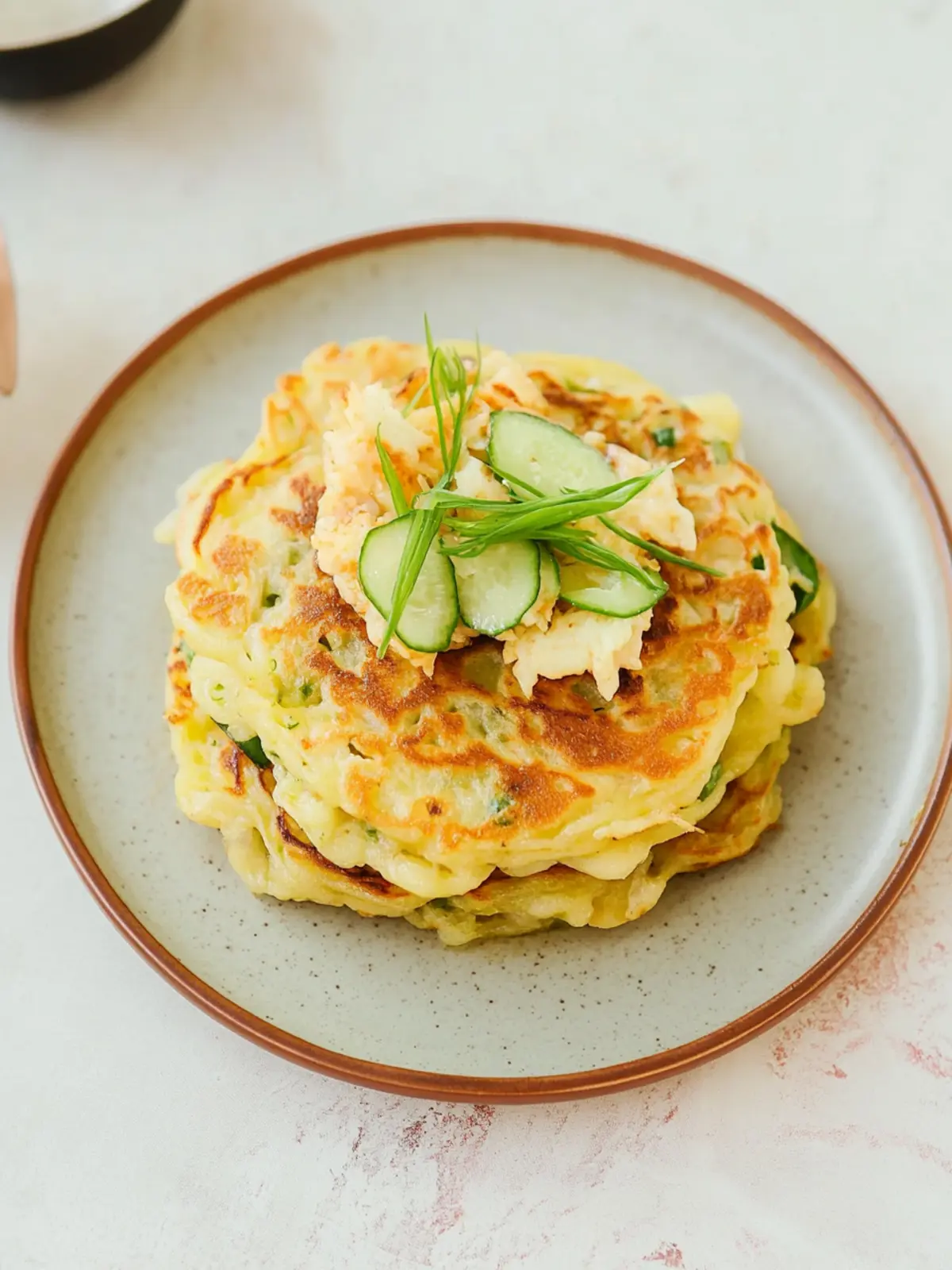
Korean Mung Bean Pancakes Recipe FAQs
How do I choose the right mung beans?
Absolutely! Look for dried mung beans that are firm and free of dark spots or cracks. They should feel smooth to the touch. If you can, choose organic varieties for the best flavor!
What is the best way to store leftover pancakes?
Very simple! Place your leftover Korean Mung Bean Pancakes in an airtight container and refrigerate them. They will stay fresh for up to 3 days. Just make sure to let them cool completely before sealing to prevent moisture buildup!
Can I freeze Korean Mung Bean Pancakes?
Absolutely! To freeze, let the pancakes cool fully, then stack them in a single layer with a sheet of parchment paper in between each pancake. Place them in a freezer-safe bag or container, and you can store them for up to 2 months. When you’re ready to enjoy, simply reheat them in a skillet over medium heat until golden and crispy again!
What should I do if my pancakes fall apart while cooking?
First and foremost, don’t fret! If your pancakes crumble, it might be due to not using enough oil or flipping them too early. Make sure you let them cook until the bottom is golden brown (about 2-3 minutes), and be generous with the oil for crispy edges. Also, ensure your batter is thoroughly mixed for a cohesive texture.
Are these pancakes suitable for someone with allergies?
Great question! These Korean Mung Bean Pancakes are naturally gluten-free and vegan, making them suitable for many dietary considerations. However, always check labels, especially on ingredients like soy sauce, to ensure they meet your specific dietary needs. If you have any concerns or allergies, feel free to omit or substitute any ingredients as needed.
What kind of vegetables can I substitute for the ones listed in the recipe?
The more the merrier! You can easily swap in other vegetables based on what you have at home. Options like bell peppers, sweet potatoes, or even spinach can elevate the pancake’s flavor and nutrition. Just chop them finely and incorporate them into the batter as you would with the original ingredients!
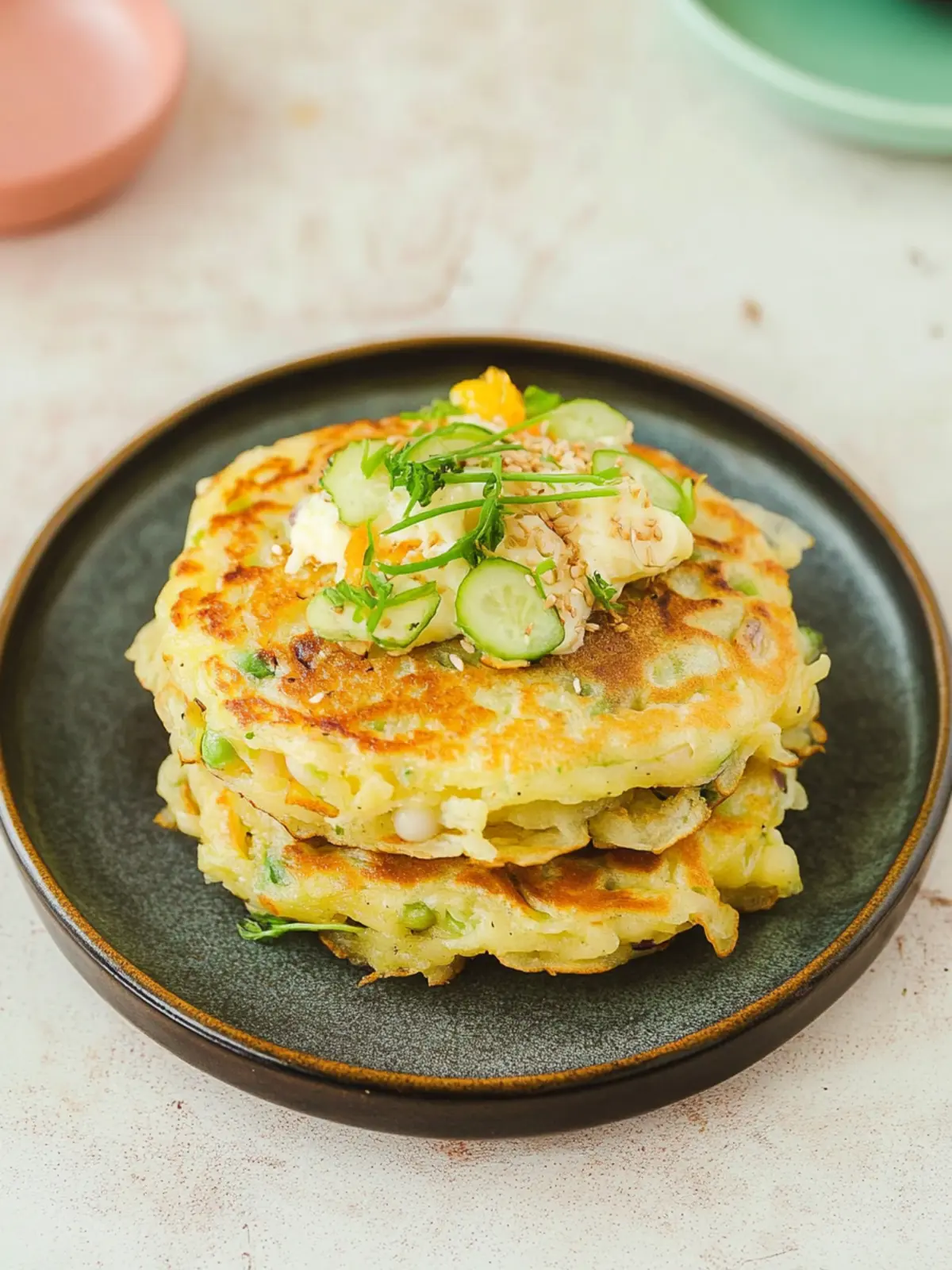
Crispy Korean Mung Bean Pancakes for a Comforting Vegan Treat
Ingredients
Equipment
Method
- Rinse the dried mung beans and sweet rice several times in cold water. Soak them in fresh water overnight. Drain before use.
- In a blender, combine the soaked mung beans, sweet rice, salt, and ¾ cup of water. Blend until smooth, creating a creamy batter. Pour into a mixing bowl.
- Gently fold in the prepared shredded vegetables into the batter. Mix well until everything is fully incorporated.
- Heat oil in a nonstick skillet over medium-high heat. Pour about ½ cup of batter, spreading it thinly. Cook until golden and crispy (about 2-3 minutes per side).
- Allow pancakes to cool slightly before serving. Enjoy at room temperature with dipping sauce.
- Optional: Garnish with scallions and toasted sesame seeds.