

As the first blossoms of spring unfold, there’s an undeniable urge to celebrate the season with vibrant and fresh flavors. That’s where Kuku Sabzi comes into play—a delightful Persian herb frittata that is as visually stunning as it is delicious. Picture a dish bursting with the bright greens of cilantro, parsley, and dill, all harmoniously mingling to create a symphony of tastes that transports you straight to a sunlit Persian kitchen. The moment you begin to sauté these aromatic herbs, the inviting fragrance fills the air, igniting a sense of warmth and comfort.
Whether you’re looking for an impressive centerpiece for a festive brunch or a simple, healthful dinner option, Kuku Sabzi checks all the boxes. Its light, fluffy texture makes it the ideal companion for crusty flatbread and creamy yogurt. Plus, it’s so versatile that you can easily customize it with your favorite ingredients. So, let’s dive into this irresistible recipe that celebrates the essence of home-cooked goodness and invites everyone to gather around the table!

Why is Kuku Sabzi a Must-Try Recipe?
Versatile and Customizable: The beauty of Kuku Sabzi lies in its ability to adapt. You can swap herbs or add nuts for a unique twist that suits your family’s palate.
Packed with Nutrients: With a bounty of fresh herbs, every bite delivers vibrant flavor and essential nutrients, making it a wholesome choice.
Easy to Prepare: This simple recipe requires minimal effort and ingredients, perfect for home cooks of any skill level.
Perfect for Any Occasion: Whether for casual brunch or festive Nowruz, Kuku Sabzi shines as a stunning centerpiece that wows guests and family alike.
Delicious at Any Temperature: Enjoy it warm, at room temperature, or even chilled—this dish remains delicious and satisfying no matter how you serve it.
For more delicious ways to incorporate fresh herbs, check out our herb-infused dishes!
Kuku Sabzi Ingredients
Uncover the secrets to making this vibrant dish!
For the Herb Mixture
• Cilantro – Provides brightness and flavor; parsley can be used if cilantro isn’t available.
• Flat-leaf parsley – A key ingredient that boosts freshness; consider adding more dill as a substitute.
• Dill – Delivers an aromatic touch; fresh dill is best for achieving the right flavor.
• Scallions – Introduces a mild onion flavor; chives make a good alternative if scallions are missing.
• Dried fenugreek leaves – Imparts a unique earthy quality; fenugreek powder can be adjusted to taste.
For the Egg Base
• Large eggs – Binds the herbs together; egg alternatives can be used, but consistency may change.
• Kosher salt – Enhances the overall taste; use fine salt in smaller amounts if needed.
• Black pepper – Adds depth and spice; freshly ground is recommended for maximum flavor.
• Ground turmeric – Brings color and subtle earthiness; saffron can be a lovely substitute for color.
For Cooking and Serving
• Canola or grapeseed oil – Used for cooking and crisping; olive oil offers a different flavor profile.
• Flatbread (lavash, pita, etc.) – A traditional side to pair with the kuku; any flat or whole-grain bread works well.
• Pickles (Torshi) – Provides a refreshing tart contrast; any pickled vegetables can complement the dish.
• Mast-o-khiar (yogurt) – Brings creaminess to the plate; plain yogurt or tzatziki can be excellent substitutes.
Kuku Sabzi is a wonderful celebration of herbs, reflecting both tradition and flavor!
How to Make Kuku Sabzi
-
Prepare the herbs: Wash and finely chop the cilantro, flat-leaf parsley, dill, and scallions. The fresher the herbs, the more vibrant the flavor in your kuku sabzi!
-
Combine ingredients: In a large mixing bowl, stir together the chopped herbs, dried fenugreek leaves, kosher salt, black pepper, and ground turmeric. Gently break in the eggs and blend until well combined, creating a lovely, colorful mixture.
-
Cook: Heat the canola or grapeseed oil in a nonstick skillet over medium heat. Pour in the herb mixture and spread it evenly. Cover and cook for about 10-12 minutes, until the bottom sets and the top is still slightly runny.
-
Broil: Preheat your broiler. Carefully transfer the skillet to the broiler and cook for 1-4 minutes, until the top is set and you see a beautiful green color. Keep an eye on it to prevent burning!
-
Cool and serve: Remove from the oven and let the kuku sabzi cool slightly. Slice it into wedges and serve warm or at room temperature with flatbread, pickles, and a side of yogurt.
Optional: Garnish with extra herbs for a pop of color and flavor.
Exact quantities are listed in the recipe card below.
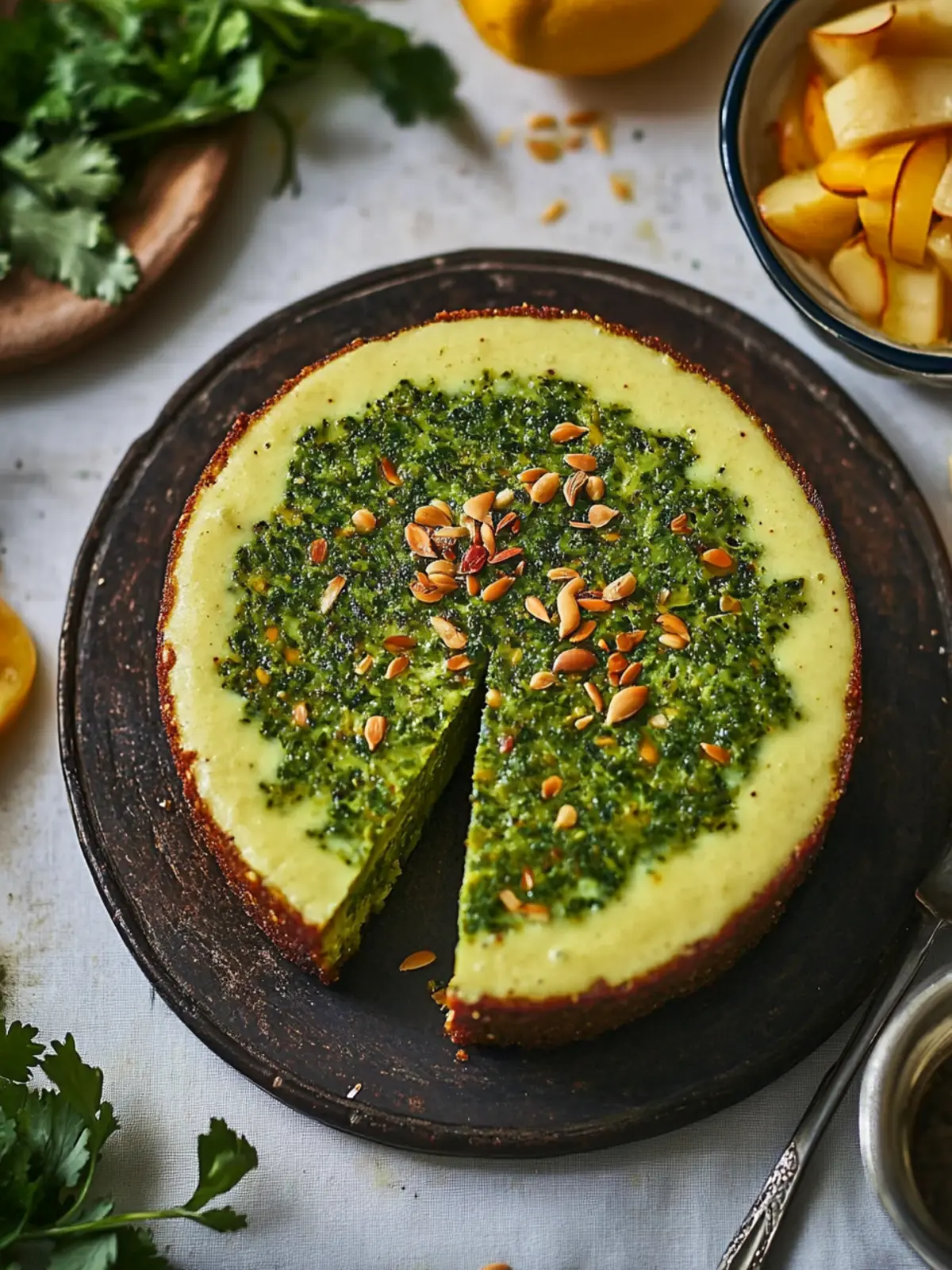
Variations & Substitutions for Kuku Sabzi
Feel free to enhance or modify this delightful dish with your own creative twists and flavor explorations.
-
Herb Swap: Replace cilantro or parsley with tarragon or mint for a refreshing twist.
-
Veggie Boost: Add sautéed spinach or shredded zucchini to the herb mixture for extra flavors and textures. This brings a lovely green element and moisture to your kuku.
-
Nutty Crunch: Mix in chopped walnuts or sunflower seeds for a delightful crunch, adding rich texture and depth to your dish.
-
Vegan Option: Substitute eggs with flax eggs or chickpea flour mixed with water for a plant-based version that still holds together beautifully.
-
Spice It Up: Incorporate red pepper flakes or minced jalapeños into the mixture for a mild kick of heat, bringing an exciting twist that enhances flavor.
-
Cheesy Delight: Fold in some feta or goat cheese for a creamy element that pairs wonderfully with the fresh herbs.
-
Flatbread Alternatives: Use whole grain pita or naan instead of traditional flatbreads for a different texture and taste.
-
Pickle Variety: Swap out traditional Torshi for pickled radishes or spicy pickles for a bold contrast to the kuku sabzi flavors. Each bite can become an adventure!
Make Ahead Options
These Kuku Sabzi are perfect for meal prep enthusiasts! You can wash and chop the herbs up to 24 hours in advance, storing them in an airtight container in the refrigerator to keep them fresh and vibrant. The egg mixture can also be prepared, mixed with seasonings, and kept covered in the fridge for up to 3 days—just be sure to gently stir before using to redistribute the flavors. When you’re ready to cook, simply pour the mixture into the hot skillet and proceed with the cooking instructions. This way, you’ll enjoy a deliciously herb-loaded frittata with minimal effort, saving you precious time during busy weeknights!
Expert Tips for Kuku Sabzi
- Wash Herbs Thoroughly: Ensure you wash the herbs in small batches to remove any dirt or grit; this keeps your kuku sabzi fresh and clean-tasting.
- Add Texture: For extra crunch, consider mixing in chopped walnuts or dried barberries; both add a delightful flavor and texture contrast.
- Room Temperature Tastes Best: Some say Kuku Sabzi is even more flavorful once cooled; let it rest a bit before serving for optimal taste.
- Watch the Broiler: Keep a close eye on the kuku while broiling; it can go from perfectly set to burnt in seconds, so a little caution goes a long way!
- Adjust Egg Quantity: Experiment with the number of eggs if you prefer a denser or lighter texture; more eggs yield a fluffier kuku sabzi.
How to Store and Freeze Kuku Sabzi
Fridge: Store leftover kuku sabzi in an airtight container for up to 3 days. This dish tastes great even when chilled, preserving its vibrant flavors.
Freezer: For longer storage, wrap individual slices in plastic wrap and place them in a freezer-safe bag. Enjoy frozen kuku sabzi for up to 2 months.
Reheating: To reheat, thaw overnight in the fridge, then warm slices in the microwave or briefly in the oven until heated through. This way, the flavors of Kuku Sabzi remain intact!
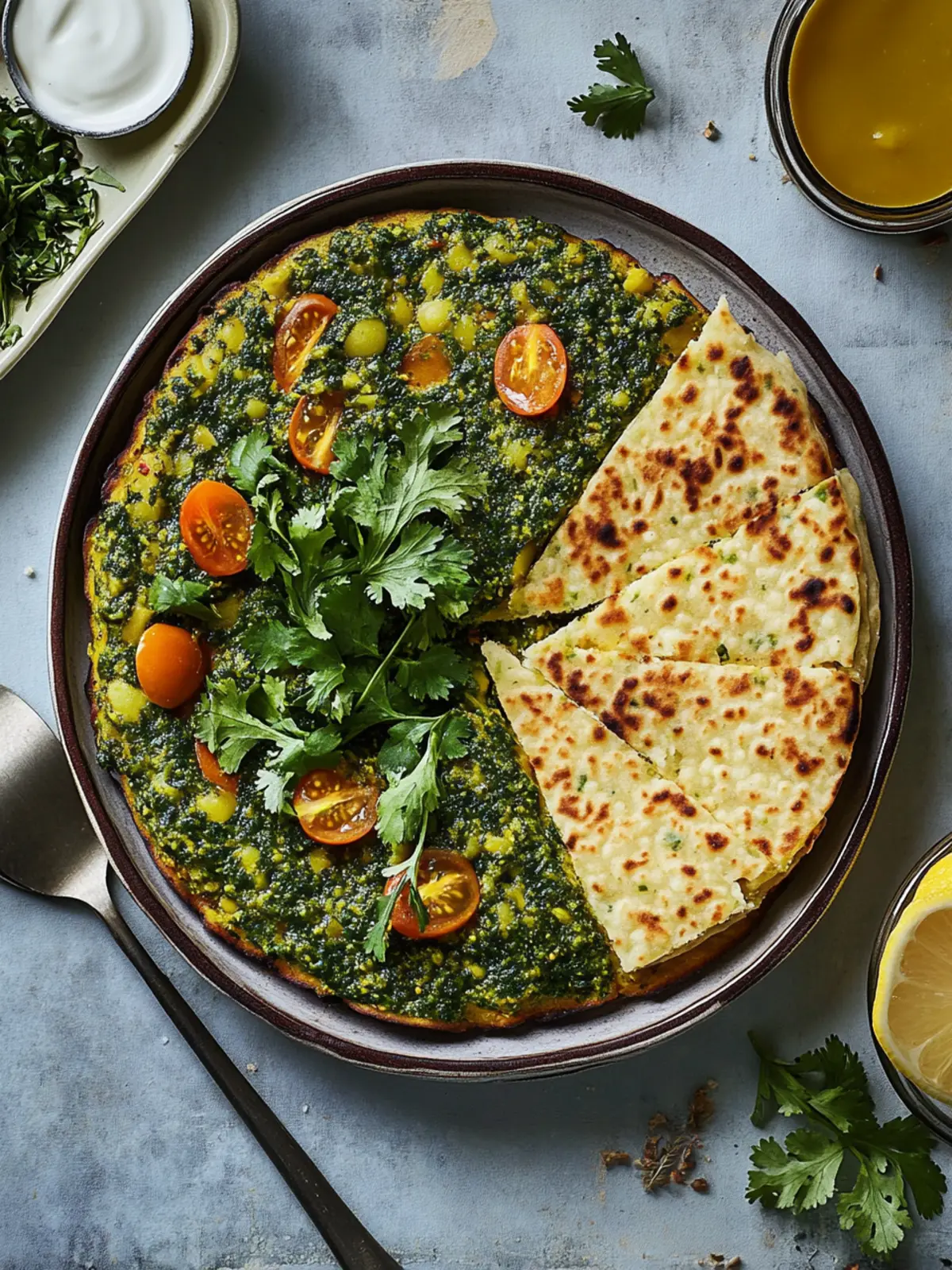
What to Serve with Kuku Sabzi?
Enjoying Kuku Sabzi opens the door to a delightful array of pairing options that enhance your meal experience.
-
Crusty Flatbread: The perfect vehicle for scooping up slices of kuku, a warm flatbread adds satisfying texture and complements the frittata’s flavors.
-
Creamy Yogurt: A dollop of mast-o-khiar or a simple plain yogurt provides a cooling contrast to the herbaceous richness of the kuku, balancing each bite beautifully.
-
Tart Pickles (Torshi): The tangy crunch of pickles cuts through the richness, adding a refreshing pop that heightens the overall experience.
-
Mixed Green Salad: A light, refreshing salad featuring seasonal greens and a simple vinaigrette brings a crisp and bright note to the meal, enhancing the vibrant flavors of the kuku.
-
Savory Olives: Offering a dash of briny goodness, olives play wonderfully with the herbal notes in Kuku Sabzi, making each bite truly captivating.
-
Minted Lemonade: A refreshing drink like a minty lemonade offers a bright and citrusy complement, perfect for cutting through the flavors of this fragrant dish.
-
Herb-Infused Rice: Fluffy rice seasoned with herbs or spices adds a comforting element, allowing the kuku to shine as the delicious centerpiece of your meal.
These pairings ensure each meal with Kuku Sabzi is not just satisfying, but a vibrant celebration of flavor and texture!
Kuku Sabzi Recipe FAQs
What herbs should I use for the best Kuku Sabzi?
Absolutely! The traditional combination includes cilantro, flat-leaf parsley, and dill. If you’re missing any of these, feel free to substitute with other herbs like tarragon or mint for a different flavor profile.
How should I store leftover Kuku Sabzi?
You can store leftover Kuku Sabzi in an airtight container in the refrigerator for up to 3 days. It actually tastes great when served cold, so it’s perfect for meal prep or a quick grab-and-go option!
Can I freeze Kuku Sabzi and how?
Yes! For freezing, wrap individual slices in plastic wrap and then place them in a freezer-safe bag. Properly stored, they can be frozen for up to 2 months. To reheat, thaw overnight in the fridge and warm gently in the microwave or oven.
What should I do if my Kuku Sabzi is too dense?
If your Kuku Sabzi turns out dense, consider reducing the number of eggs next time or adding a splash of water or milk to the mixture. This will lighten the texture and make it fluffier. Also, be sure to cook it just until set; overcooking can cause it to become firm.
Is Kuku Sabzi suitable for people with dietary restrictions?
Yes! This dish is naturally vegetarian and can be made gluten-free. If someone has egg allergies, you can try replacing eggs with flax eggs or chickpea flour mixed with water as a binder. Just be mindful that these alternatives will change the texture slightly.
How do I know when my Kuku Sabzi is fully cooked?
You’ll know your Kuku Sabzi is ready when the bottom is set and golden brown, and the top has a vibrant green color. Cooking covered for 10-12 minutes and broiling for 1-4 minutes ensures a beautifully cooked dish. Keep an eye on it, as broiling can burn quickly!
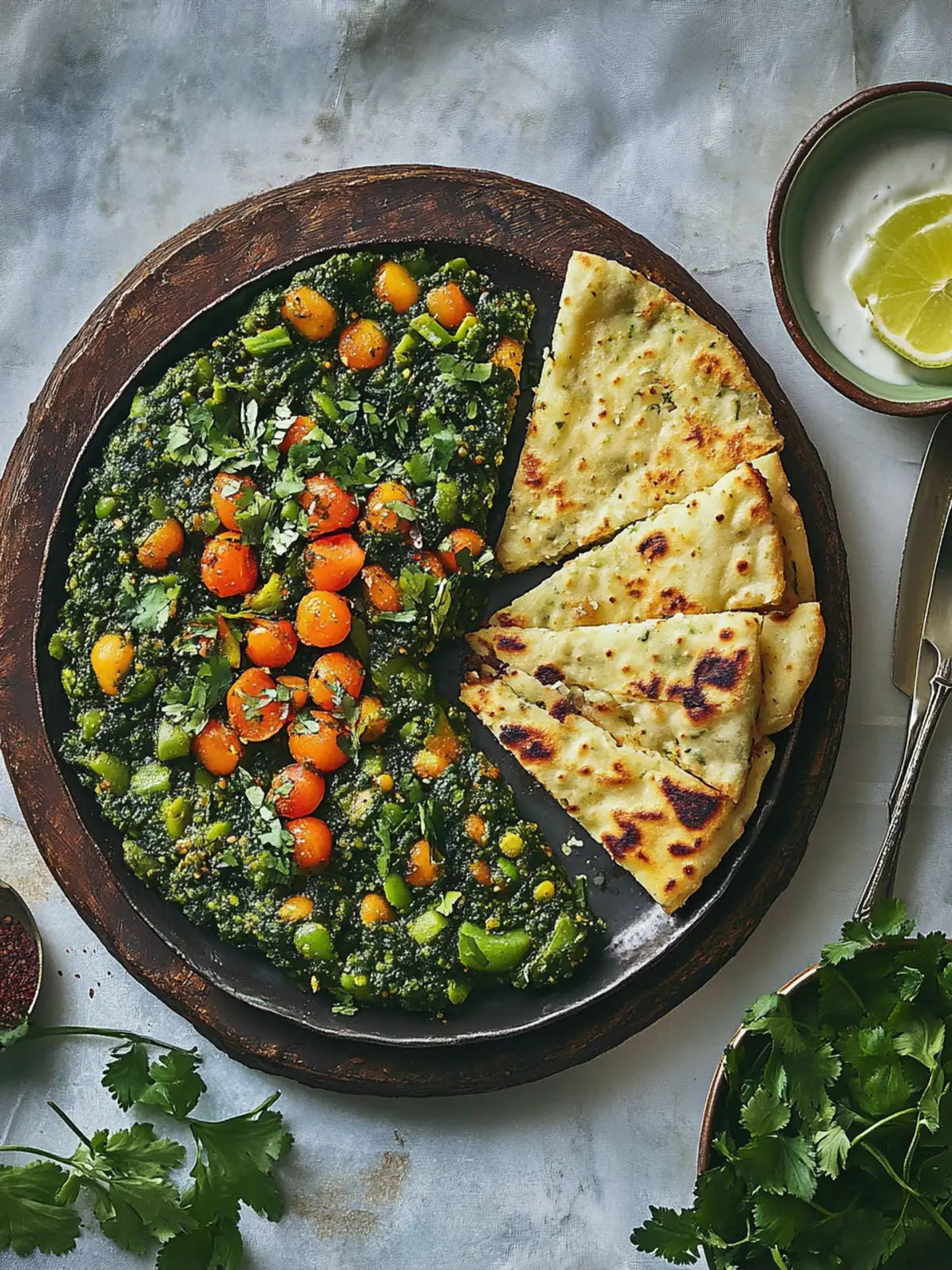
Kuku Sabzi: Brighten Your Table with This Herb-Loaded Frittata
Ingredients
Equipment
Method
- Prepare the herbs: Wash and finely chop the cilantro, flat-leaf parsley, dill, and scallions. The fresher the herbs, the more vibrant the flavor in your kuku sabzi!
- Combine ingredients: In a large mixing bowl, stir together the chopped herbs, dried fenugreek leaves, kosher salt, black pepper, and ground turmeric. Gently break in the eggs and blend until well combined, creating a lovely, colorful mixture.
- Cook: Heat the canola or grapeseed oil in a nonstick skillet over medium heat. Pour in the herb mixture and spread it evenly. Cover and cook for about 10-12 minutes, until the bottom sets and the top is still slightly runny.
- Broil: Preheat your broiler. Carefully transfer the skillet to the broiler and cook for 1-4 minutes, until the top is set and you see a beautiful green color. Keep an eye on it to prevent burning!
- Cool and serve: Remove from the oven and let the kuku sabzi cool slightly. Slice it into wedges and serve warm or at room temperature with flatbread, pickles, and a side of yogurt.