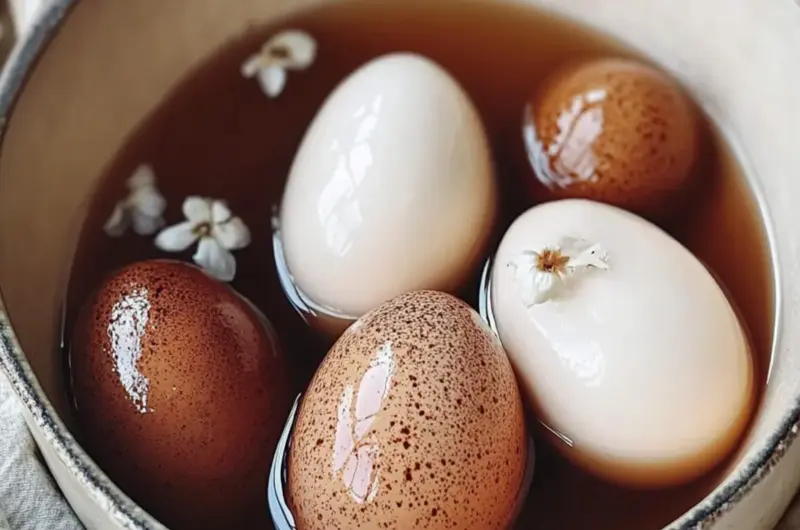
There’s nothing quite like the enticing aroma that fills the kitchen as I prepare Slow Simmered Tea Stained Eggs, a cherished recipe steeped in tradition. These stunning Persian Tea Eggs don’t just delight the eyes with their intricate designs; they burst with flavor from the carefully selected tea and onion peels. As I carefully peel away the shells, I’m often taken back to family gatherings, where these beautiful morsels weren’t just food; they were a celebration of our heritage.
On a lazy Sunday morning or during the hustle and bustle of a busy week, these eggs serve as a perfect snack or a delightful addition to breakfast. What’s fantastic is how simple they are to make. Just a few wholesome ingredients and some time on the stovetop or in a slow cooker, and you’ll have perfectly infused eggs that are as easy to peel as they are delicious. Join me in uncovering this delightful blend of flavors and cultural significance that can elevate any meal!

Why are Slow Simmered Tea Stained Eggs so special?
Simplicity at its Finest: With just a few ingredients and minimal effort, you can create these stunning eggs that are perfect for any occasion.
Aromatic Flavors: The infusion of Darjeeling tea and onion peels delivers a captivating taste experience that will linger on your palate.
Cultural Significance: These eggs are not just a dish, but a deep-rooted tradition that connects generations, adding a layer of meaning to every bite.
Versatile Delight: Whether enjoyed for breakfast, as a snack, or part of a larger feast, they fit seamlessly into any meal plan.
Easy to Store: Make a batch ahead of time and keep them in your fridge for a convenient high-protein option that will satisfy throughout the week.
As you embrace this recipe, consider exploring related dishes like Shabbat morning favorites that can further enrich your culinary journey.
Slow Simmered Tea Stained Eggs Ingredients
For the Eggs
• Eggs – Provides structure and protein; use free-range or cage-free for the best flavor.
For the Infusion
• Onion Peels (or Yellow Onions) – Adds color and depth; use 6 peels or 2 onions if peels are unavailable.
• Darjeeling Tea (or leftover tea) – Main flavor component, infuses the eggs with aromatic notes; loose leaf is preferred but can substitute with similar black tea varieties.
• Cardamom Pods (optional) – Enhances flavor complexity with warm spices; feel free to omit if unavailable.
For Cooking
• Water – Cooking medium; ensure it covers the eggs by 2 inches for proper infusion.
These Slow Simmered Tea Stained Eggs will be a delightful addition to your meals, bringing warmth and rich flavors to your table!
How to Make Slow Simmered Tea Stained Eggs
-
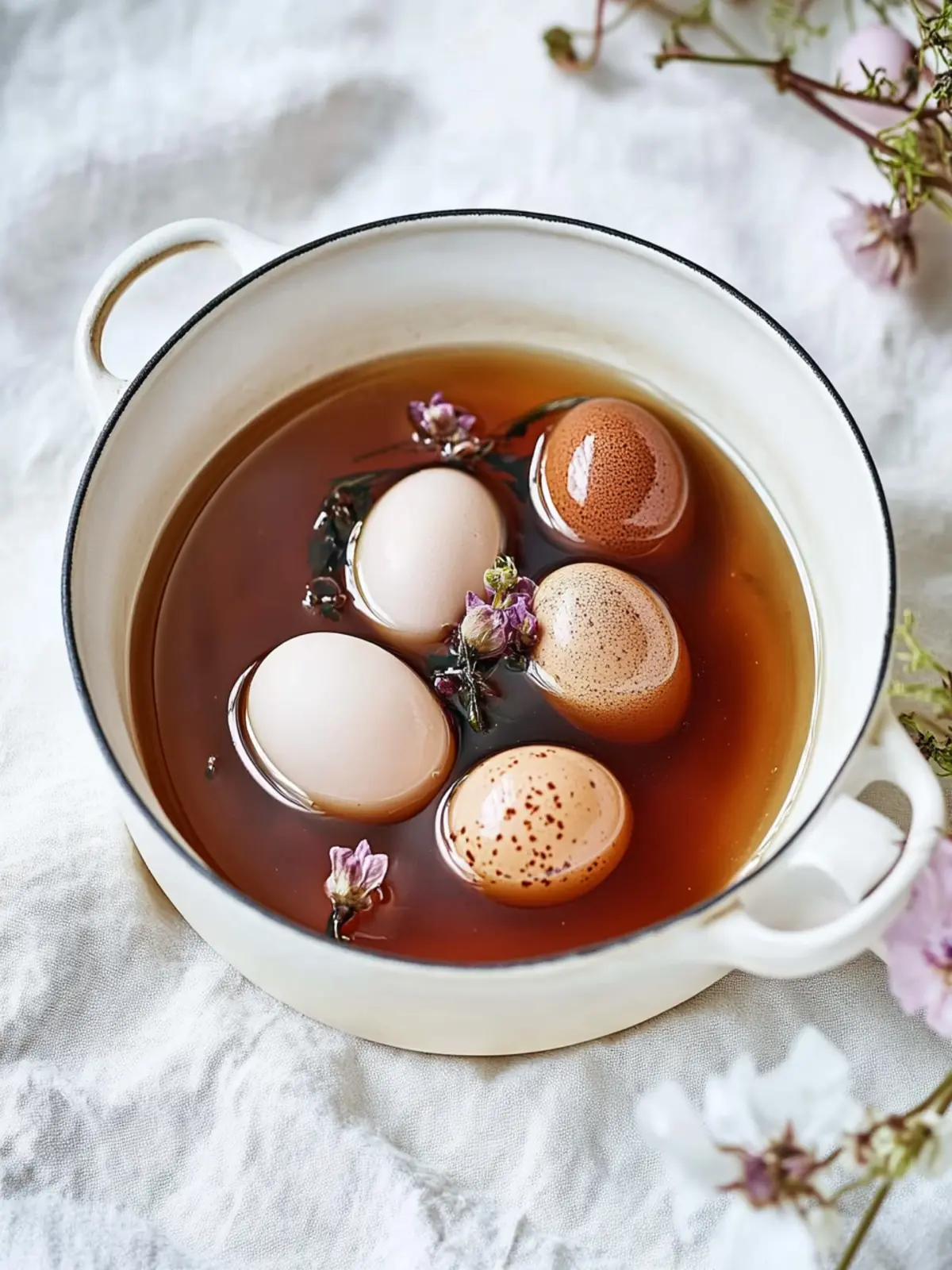
Prep: Gather your ingredients and place eggs, onion peels (or diced onions), Darjeeling tea, and optional cardamom pods into a pot. Feel the anticipation build as the aroma of these ingredients melds together!
-
Add Water: Pour in enough water to cover the eggs by about 2 inches. This helps all the flavors seep into the eggs, creating that signature taste you’ll crave.
-
Heat: Turn the heat up and bring the mixture to a gentle boil. Then, reduce the heat to a low simmer, allowing the magic to begin.
-
Cook: Let the eggs simmer on low for 8 hours for an incredibly deep flavor. If you prefer, you can make them overnight while you dream of the deliciousness awaiting you!
-
Serve: When the cooking is complete, carefully peel the eggs. Revel in the stunning designs as you reveal the wonderfully infused centers. Enjoy them warm or cool—any way is a treat!
Optional: Pair your eggs with fresh bread or tangy pickles for a delightful contrast.
Exact quantities are listed in the recipe card below.
Expert Tips for Slow Simmered Tea Stained Eggs
-
Choose Quality Eggs: Opt for free-range or cage-free eggs for richer flavor and better texture in your Slow Simmered Tea Stained Eggs.
-
Flavor Enhancement: For extra depth, gently crack the egg shells two hours before the cooking ends. This allows the flavorful infusion to seep in, creating beautiful patterns.
-
Alternative Cooking Method: If you prefer, use a slow cooker on low for 8 hours. This method ensures even cooking and richer flavors without the need for constant monitoring.
-
Safety First: Make sure your pot is suitable for long-duration cooking; this prevents burning and ensures that your eggs simmer beautifully.
-
Storing Tips: Once cooked, store your eggs in the refrigerator for up to a week. They’re a nourishing snack or easy breakfast option ready whenever you need!
Slow Simmered Tea Stained Eggs Variations
Feel free to let your creativity shine as you explore these tempting twists!
-
Spicy Add-In: Add a dash of crushed red pepper flakes during cooking for a delightful kick.
Elevate your eggs with some warmth; the spice complements the aromatic infusion beautifully. -
Herbal Twist: Substitute Darjeeling tea with chamomile or mint tea for a refreshing flavor change.
This variation offers a light, floral note that’s perfect for those looking for a subtle shift in taste. -
Garlic Infusion: Toss in a couple of smashed garlic cloves for a savory depth to the infusion.
The garlic’s warmth pairs perfectly with the tea, creating an unforgettable flavor profile. -
Vegetarian-Friendly: Use vegetable broth instead of water to add a savory richness.
This swap enriches the flavor while keeping the dish vegetarian, making it appealing for all. -
Citrus Zest: Incorporate some lemon or orange zest into the cooking water for a bright, zesty note.
The citrus will brighten the flavors, enhancing the overall taste experience you’ll cherish. -
Substitute Onions: Swap onion peels with beet peels for naturally vibrant, earthy hues.
Not only will you achieve beautiful colors, but this variation lends a unique sweetness to your eggs. -
Nutty Flavor: Drizzle in a bit of sesame oil to enhance the flavors with a nutty aroma.
This simple addition transforms the flavor landscape of the eggs, creating a comforting experience. -
Maple Infusion: Add a tablespoon of maple syrup to the cooking liquid for a hint of sweetness.
The subtle sweetness will surprise and delight, creating an unforgettable culinary delight.
What to Serve with Slow Simmered Tea Stained Eggs?
There’s something magical about creating a wondrous meal that elevates your dining experience, especially when paired with these aromatic beauties.
-
Fresh Bread: Warm, crusty baguette or soft pita is a fantastic vehicle for your tea-stained eggs, soaking up their delicate flavors.
-
Pickles: Tangy pickles provide a crunchy contrast that brightens the richness of the eggs, adding vibrant flavors and textures to your plate.
-
Herbed Salad: A light salad with fresh herbs and citrus dressing complements the savory notes of the eggs, enhancing your overall meal while adding a refreshing crunch.
-
Sautéed Greens: Garlic sautéed spinach or kale introduces earthy greens that balance the richness of the eggs, creating nutritional harmony on your plate.
-
Olives and Cheese: A platter of olives and your favorite cheese offers a Mediterranean twist that pairs beautifully with the complex flavors of tea-stained eggs.
-
Mint Tea: Pouring a cup of aromatic mint tea enhances the overall experience, refreshing your palate and echoing the subtle hints of cardamom infused in the eggs.
Enjoy dreaming up these delightful pairings as you make your table shine with the essence of homemade comfort!
Storage Tips for Slow Simmered Tea Stained Eggs
- Fridge: Store peeled or unpeeled eggs in an airtight container in the refrigerator for up to one week to keep them fresh and flavorful.
- Freezer: For longer storage, freeze unpeeled eggs for up to 3 months. When ready to use, thaw them overnight in the fridge before peeling.
- Reheating: To enjoy your eggs warm, gently reheat them in hot water or steam for a few minutes. Avoid boiling to preserve their infused flavors and ease of peeling.
- Serving Hint: These Slow Simmered Tea Stained Eggs can be enjoyed warm or cool, making them a versatile addition to any meal or snack time!
Make Ahead Options
Preparing these Slow Simmered Tea Stained Eggs in advance is a fantastic way to save time during busy weeks! You can boil and infuse the eggs up to 24 hours ahead of time, allowing the flavors to meld beautifully. Once cooked, simply let them cool and store the eggs in their shells in the refrigerator for up to 3 days. This method helps maintain their texture and prevents the eggs from becoming rubbery. When ready to serve, peel the eggs carefully and enjoy them either warm or cold. You’ll have a delightful, protein-packed snack on hand that feels just as special as if you made them the same day!
Slow Simmered Tea Stained Eggs Recipe FAQs
How do I choose the right eggs for Slow Simmered Tea Stained Eggs?
Absolutely! Opt for free-range or cage-free eggs to enhance the flavor and texture of your Slow Simmered Tea Stained Eggs. These types of eggs often have a richer taste and a more vibrant yolk, making your dish even more delicious.
How should I store my Slow Simmered Tea Stained Eggs?
You can store peeled or unpeeled eggs in an airtight container in the refrigerator for up to one week. Keeping them sealed properly helps retain their flavors and ensures they remain fresh. If you want to prepare in advance, storing them this way is very convenient!
Can I freeze Slow Simmered Tea Stained Eggs?
Yes, you can! To freeze your eggs, place unpeeled Slow Simmered Tea Stained Eggs in a freezer-safe container for up to 3 months. When you’re ready to enjoy them, just thaw them overnight in the refrigerator before peeling. This method helps preserve their flavors while providing a quick meal option.
What if my eggs crack during cooking?
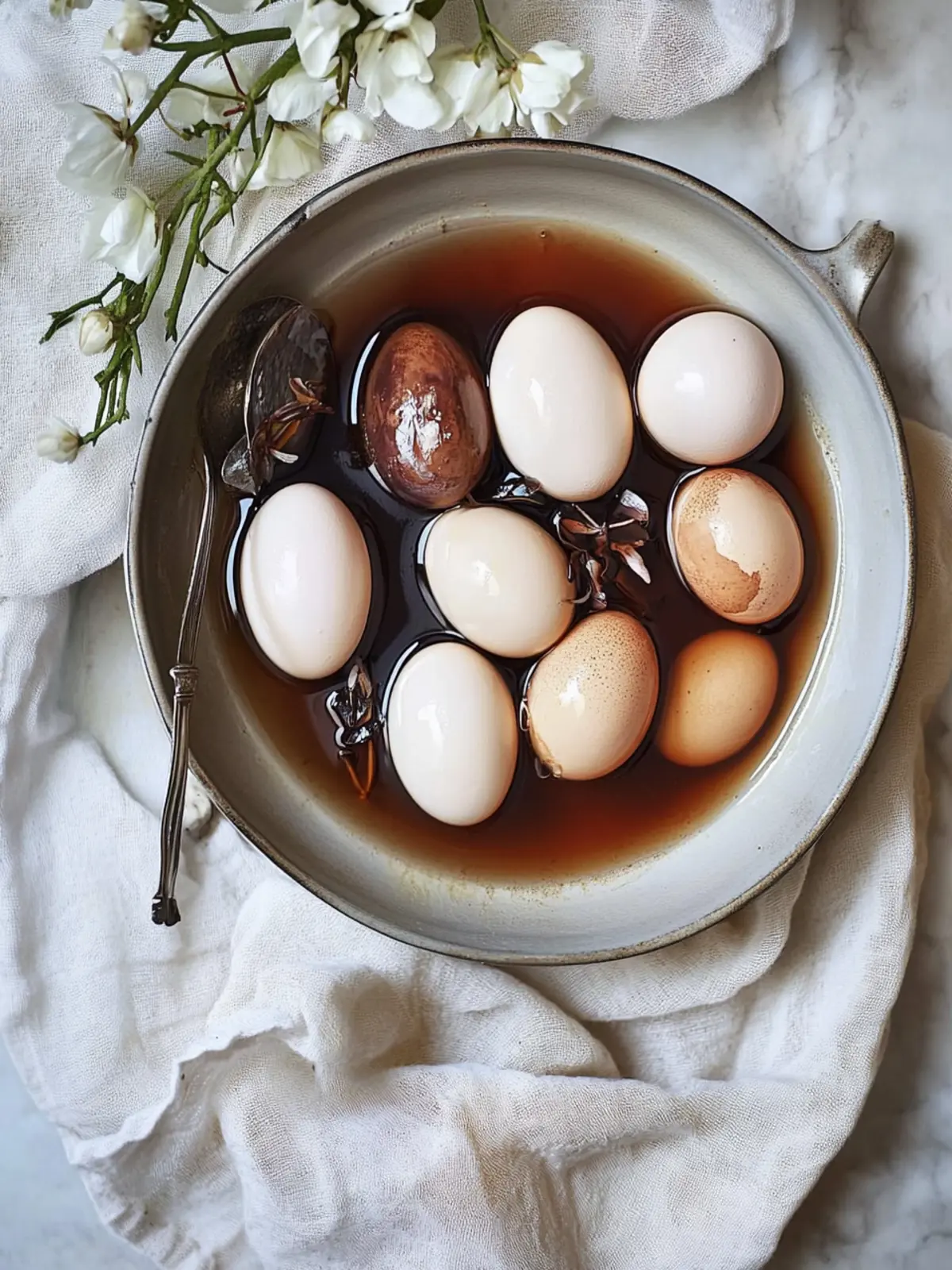
No worries! If you find that your eggs crack while simmering, gently remove them and keep them in their shells. This creates a unique marbled effect as the flavors still manage to seep in. You can also try leaving them to simmer a little longer; the infusion can still be delightful!
Are there any dietary considerations for Slow Simmered Tea Stained Eggs?
Yes, while these eggs are generally safe and healthy for most diets, it’s essential to note that they contain egg allergens. If you’re serving them to guests, be sure to ask about allergies beforehand. For those avoiding animal products, consider exploring plant-based alternatives that can mimic similar flavors.
Can I add other spices or flavorings to my Slow Simmered Tea Stained Eggs?
Very much so! Feel free to experiment with different spices like star anise or cinnamon during the infusion process. Just be mindful of the balance of flavors, as too many spices might overpower the lovely tea essence. Enjoy the creative freedom!
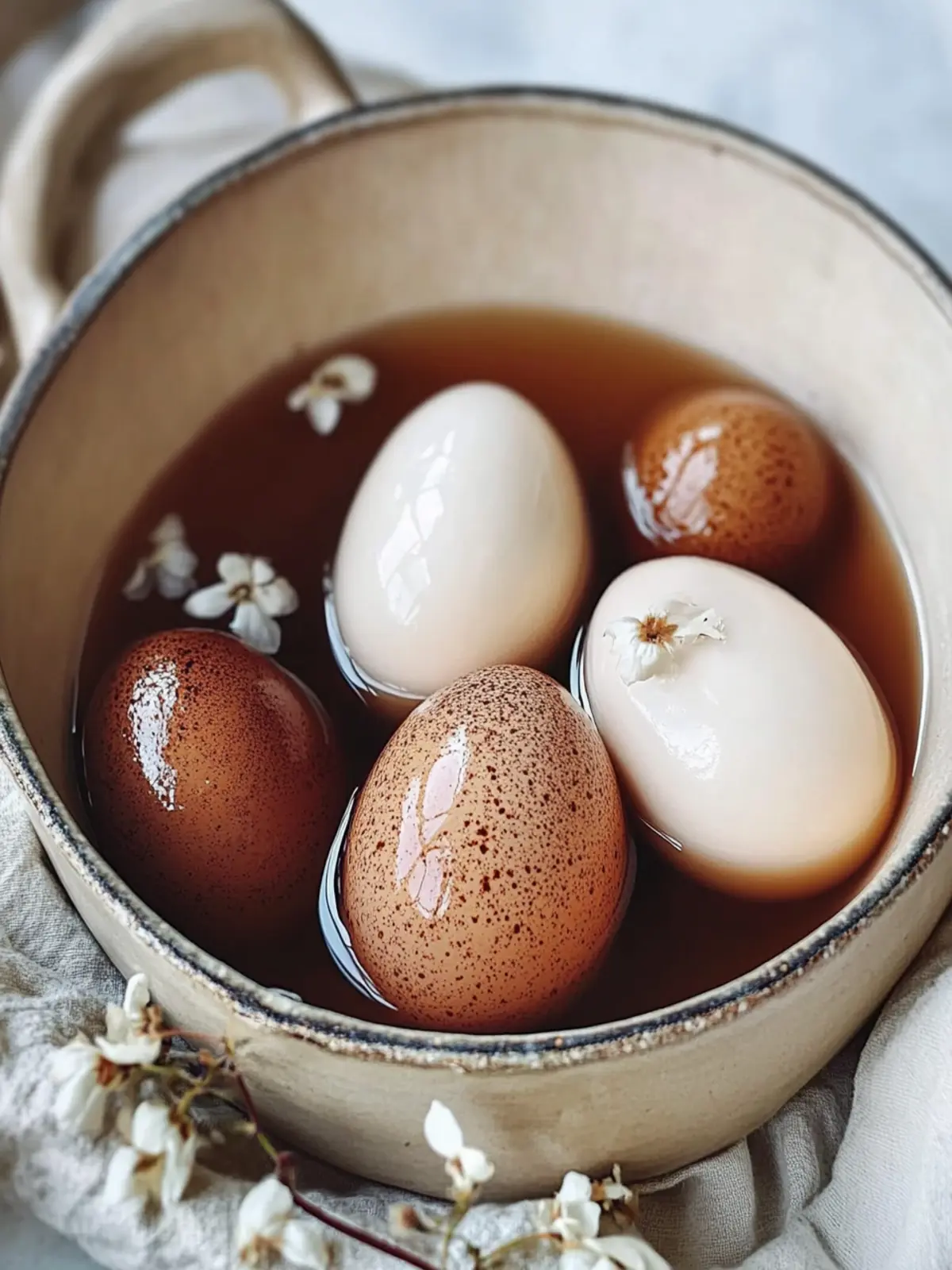
Slow Simmered Tea Stained Eggs for a Flavorful Breakfast Treat
Ingredients
Equipment
Method
- Gather your ingredients and place eggs, onion peels, Darjeeling tea, and optional cardamom pods into a pot.
- Pour in enough water to cover the eggs by about 2 inches.
- Turn the heat up and bring the mixture to a gentle boil. Then, reduce the heat to a low simmer.
- Let the eggs simmer on low for 8 hours.
- When cooking is complete, carefully peel the eggs and enjoy them warm or cool.