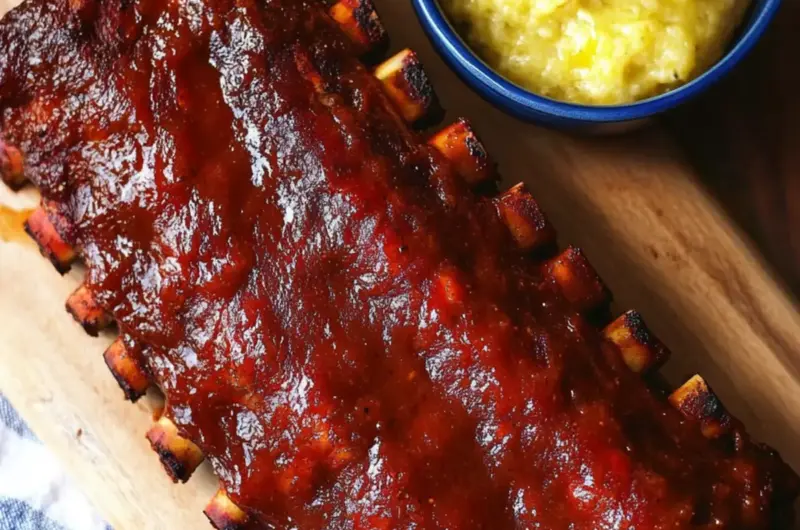
As the sun dips below the horizon and the tantalizing aroma of smoke begins to swirl through the air, I find myself lost in the joy of grilling. Nothing quite captures the essence of summer like a platter of smoky St. Louis style ribs slathered in homemade BBQ sauce. These ribs are a true labor of love, featuring a bold dry rub that seeps into every flavorful pore, only to be enhanced by a sweet and tangy sauce crafted in my own kitchen. The best part? They emerge from the smoker perfectly tender and bursting with rich, smoky goodness—ideal for family gatherings or backyard barbecues.
I discovered this delectable recipe after a long week when nothing but some serious comfort food would do. Since then, these ribs have become my go-to dish for impressing friends and reminding myself why cooking at home beats fast food any day. So fire up your smoker and prepare to tease your taste buds with this crowd-pleasing delight that will have everyone asking for seconds!

Why You’ll Love These Smoked St. Louis Style Ribs
Bold flavors: Each bite is infused with a robust dry rub that marries perfectly with the sweet and tangy BBQ sauce.
Tender, juicy goodness: These ribs slow-cook to a melt-in-your-mouth perfection thanks to the low-and-slow smoking technique.
Homemade magic: Skip the store-bought sauces and experience the joy of creating your own delicious BBQ sauce.
Versatility at its finest: Pair them with sides like coleslaw and baked beans for a complete barbecue meal that impresses every guest.
Simplicity in preparation: The straightforward instructions make it accessible even for beginner grillers looking to elevate their cooking game.
With flavors this good, your friends will be talking about your cooking skills long after the meal!
Smoked St. Louis Style Ribs Ingredients
For the Ribs
• Pork Spare Ribs, St. Louis Style – Look for quality, thick ribs for the richest flavor and juiciness.
• Yellow Mustard – Acts as a binder for the dry rub, enhancing flavor adhesion; olive oil can substitute if needed.
For the Dry Rub
• Kosher Salt (¼ cup) – Enhances flavor and retains moisture; sea salt can be used if you don’t have kosher.
• White Sugar (¼ cup) – Adds sweetness to balance savory spices; feel free to substitute with brown sugar for a deeper flavor.
• Light Brown Sugar (¼ cup) – Contributes caramelization; dark brown sugar works for a richer taste.
• Sweet Paprika (¼ cup) – Provides a subtle smoky flavor; if you want more intensity, use smoked paprika.
• Black Pepper, Coarse (2 tablespoons) – Adds heat; freshly ground pepper enhances the overall flavor.
• Granulated Garlic (1 tablespoon) – For a robust flavor, you can substitute fresh garlic if you prefer.
• Granulated Onion (1 tablespoon) – Adds sweetness and balance; fresh onion is a decent alternative.
• Chipotle Powder (½ tablespoon) – Adds smokiness and mild heat; cayenne pepper can substitute for extra spice.
For the BBQ Sauce
• Ketchup (⅔ cup) – Acts as the base sauce, providing sweetness and thickness; consider sugar-free options for lower sugar content.
• Apple Cider Vinegar (½ cup) – Adds necessary tanginess; white vinegar can work if needed.
• Brown Sugar (¼ cup) – For enhanced sweetness; adjust according to your taste preferences.
• Smoked Paprika (2 teaspoons) – Elevates the smoky flavor profile of the sauce.
• Granulated Garlic (1 teaspoon) – For an extra layer of flavor.
• Chili Powder (1 teaspoon) – Adds spice; adjust according to your desired heat level.
• Kosher Salt (1 teaspoon) – Balances the overall seasoning in the sauce.
• Ground Black Pepper (1 teaspoon) – Complements all flavors beautifully.
For the Spritz Mixture
• Apple Juice (1 cup) – Keeps ribs moist while cooking; feel free to try other fruit juices as a substitute.
• Apple Cider Vinegar (½ cup) – Adds desirable tanginess.
• Worcestershire Sauce (¼ cup, optional) – Enhances umami depth; omit if you don’t have it.
• Hot Sauce (1 teaspoon, optional) – For those who love added heat, adjust to personal preference.
Now that you have all the essential ingredients to elevate your barbecue game, just imagine the smell wafting through the air as those Smoked St. Louis Style Ribs slowly cook to perfection!
How to Make Smoked St. Louis Style Ribs
-
Prepare Dry Rub: In a bowl, mix together the kosher salt, white sugar, light brown sugar, sweet paprika, black pepper, granulated garlic, granulated onion, and chipotle powder until fully combined. Set this delicious blend aside to infuse the ribs with flavor.
-
Make BBQ Sauce: In a saucepan, combine ketchup, apple cider vinegar, brown sugar, smoked paprika, granulated garlic, chili powder, kosher salt, and black pepper. Simmer over low heat for 5-10 minutes, stirring occasionally, until the sauce thickens a bit. Allow it to cool and set aside.
-
Set Up Smoker: Preheat your smoker to 250°F (121°C). If you’re using a grill, create an indirect cooking zone and ensure it maintains the same temperature for consistent cooking.
-
Prepare Ribs: Start by removing the membrane from the back of the ribs for better seasoning absorption. Coat the ribs generously with yellow mustard, then sprinkle and rub the dry spice blend over the meat, covering it thoroughly for maximum flavor.
-
Start Smoking: Place the seasoned ribs into the smoker, cooking them for about 2 hours. You’ll want to see a nice, deep color develop. Be sure to spritz the ribs every 30-40 minutes with your spritz mixture to keep them moist and flavorful.
-
Wrap Ribs: Carefully take the ribs out of the smoker, spritz them again, and wrap them tightly in butcher paper. Return the wrapped ribs to the smoker and cook until they reach an internal temperature of 205°F, which should take about 1 to 1.5 hours.
-
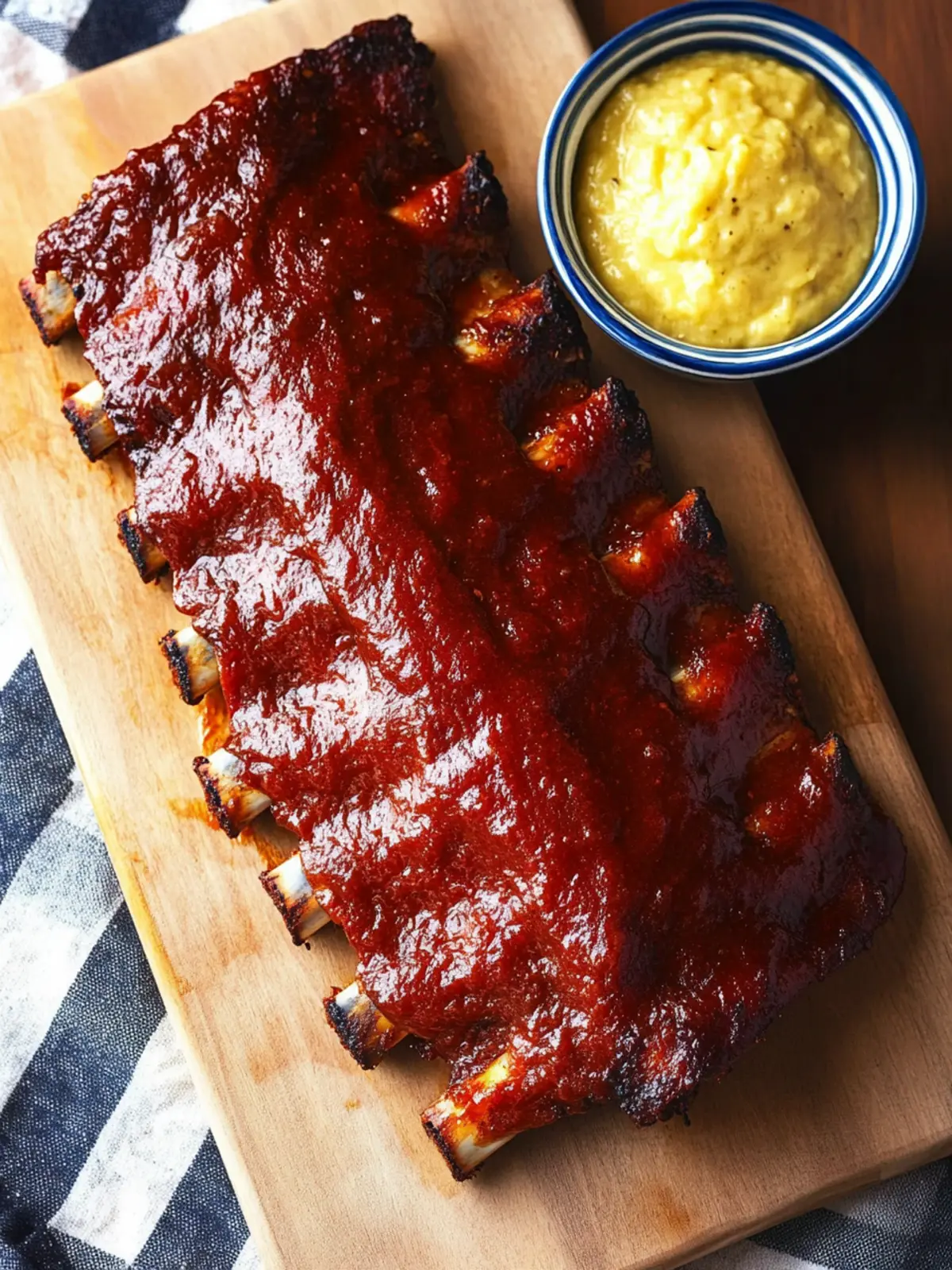
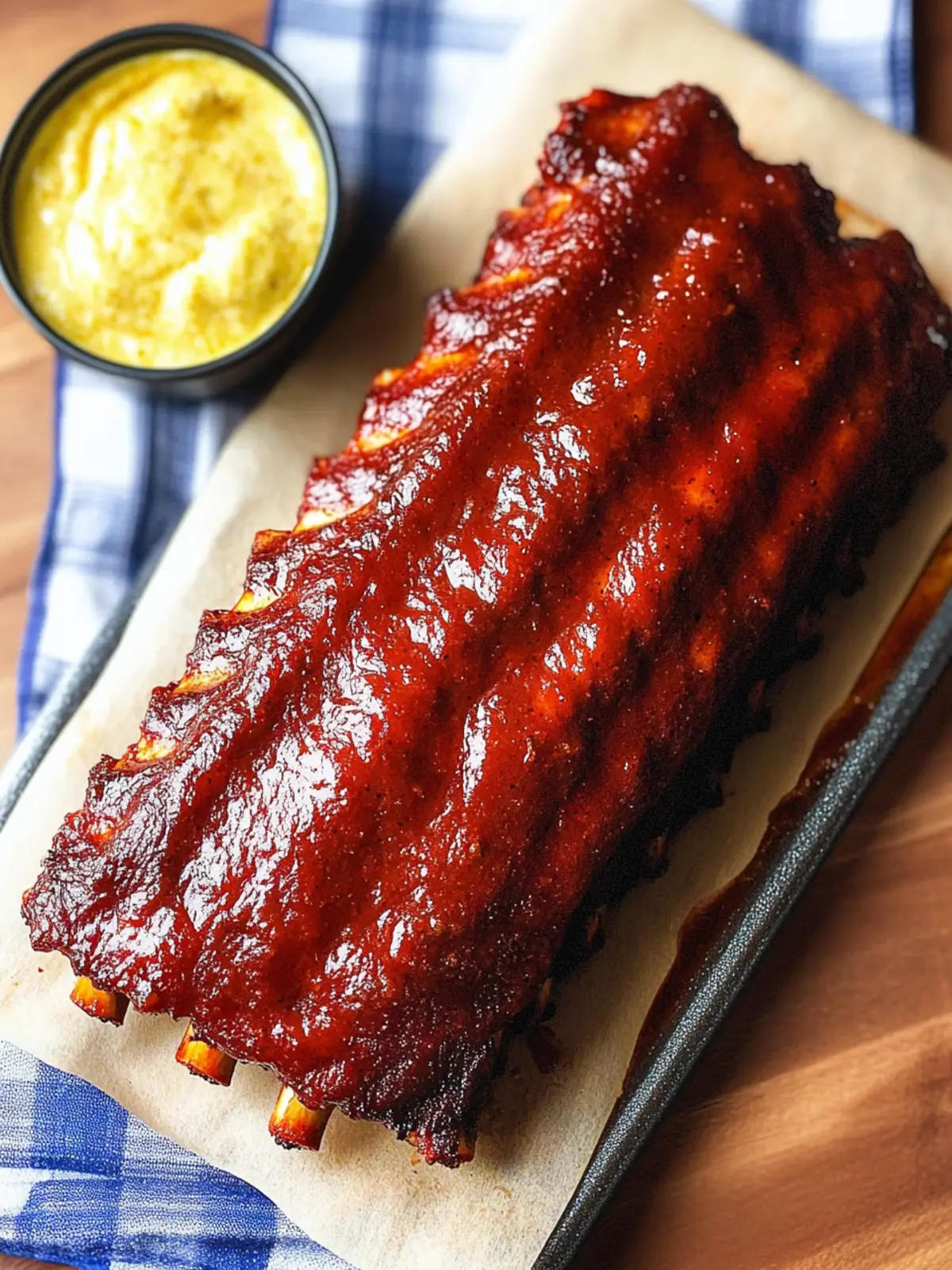
Glaze and Rest: After smoking, remove the ribs from the smoker and brush them generously with the homemade BBQ sauce. Let the ribs rest for 10-15 minutes before cutting into them—this helps the juices redistribute for ultimate tenderness.
Optional: Serve with a sprinkle of chopped parsley for a pop of color.
Exact quantities are listed in the recipe card below.
What to Serve with Smoked St. Louis Style Ribs?
When planning a memorable barbecue spread, pairing those tender, smoky ribs with delightful sides enhances the entire experience.
-
Classic Coleslaw: This refreshing side adds a crisp, creamy balance to the smoky richness of the ribs, making each bite a delight. The crunchiness perfectly complements the meat’s texture, ensuring a well-rounded meal.
-
Baked Beans: Rich and hearty, baked beans present a sweet, savory charm that marries beautifully with the tangy barbecue sauce. The comforting texture and flavors create a homey vibe, ideal for family gatherings.
-
Cornbread: Soft and buttery cornbread complements the smoky ribs wonderfully, soaking up any leftover barbecue sauce. Its slightly sweet flavor enhances the overall meal in a delightful way.
-
Grilled Vegetables: Seasonal veggies like zucchini, bell peppers, and corn brushed with olive oil offer a vibrant, grilled contrast to the ribs. Their smoky char and natural sweetness bring fiber and freshness to your plate.
-
Potato Salad: Creamy potato salad with herbs and mayo provides coolness and a satisfying texture that pairs excellently with the heat of the ribs. It’s a classic addition that rounds out any barbecue feast beautifully.
-
Sweet Tea or Lemonade: To wash it all down, a glass of sweet tea or refreshing lemonade adds a perfect southern touch, cutting through the richness of the ribs and leaving you perfectly quenched.
With these pairings, your Smoked St. Louis Style Ribs will shine even brighter on the table, creating a feast that your friends and family will remember forever!
Expert Tips for Smoked St. Louis Style Ribs
Temperature Control: Keep your smoker steady at 250°F throughout the cooking process for tender, flavorful ribs.
Spritzing Technique: Don’t forget to spritz every 30-40 minutes! This keeps the ribs moist and enhances flavor, preventing drying out.
Resting Is Key: Allowing the ribs to rest is crucial for juiciness; it helps retain the delicious flavors you’ve worked hard to build.
Avoid Foil Wrapping: Use butcher paper instead of foil when wrapping; foil can trap too much moisture and detract from the desired bark.
Be Patient: Low and slow is the mantra for perfect smoked St. Louis style ribs. Rushing can lead to tough, chewy results!
Make Ahead Options
These Smoked St. Louis Style Ribs are perfect for busy home cooks looking to meal prep! You can prepare the dry rub and BBQ sauce up to 24 hours in advance, storing them in airtight containers in the refrigerator to keep flavors fresh. The ribs can also be seasoned with the dry rub and wrapped tightly for up to 3 days before smoking—this allows the flavors to intensify. When you’re ready to cook, simply smoke the ribs as instructed, spritzing them during the process to maintain moisture, and brush with the prepared BBQ sauce before resting. You’ll enjoy delicious results without the last-minute rush!
Smoked St. Louis Style Ribs Variations
Feel free to explore the endless possibilities with this delightful recipe that will surely ignite your taste buds!
- Baby Back Ribs: Swap pork spare ribs for baby back ribs for a leaner alternative that’s still bursting with flavor.
- Wood Variety: Experiment with different smoking woods like hickory, apple, or cherry for unique flavor profiles and scents that will draw everyone in.
- Sweetness Adjustment: For a sweeter kick, increase the brown sugar in your BBQ sauce or add a splash of honey for a lively twist.
- Heat Levels: Spice things up! Add more chipotle powder or hot sauce to your mix, or finish with a fiery glaze for an extra punch.
- Vegan Version: Try using smoked tempeh or jackfruit as a plant-based substitute that absorbs the spices and sauce beautifully.
- Citrus Zing: Incorporate some orange or lime zest into the BBQ sauce for a fresh, bright flavor that cuts through the richness of the ribs.
- Herb Infusion: Add a handful of fresh herbs like rosemary or thyme to the spritz mixture—these will impart aromatic flavors as the ribs smoke.
- Smoky Chili Flair: Mix in some chili powder for an added depth of flavor in the dry rub, giving your ribs an extra layer of smoky spice that definitely elevates the dish.
Storage Tips for Smoked St. Louis Style Ribs
Fridge: Store leftover Smoked St. Louis style ribs in an airtight container for up to 4 days to maintain freshness and flavor.
Freezer: For longer storage, wrap the ribs tightly in plastic wrap and then foil, freezing for up to 3 months; defrost in the fridge before reheating.
Reheating: Reheat the ribs in a preheated oven at 250°F (121°C) for about 20–30 minutes, covered with foil to retain moisture.
Enjoying Leftovers: For an added flavor boost, brush with leftover BBQ sauce before reheating to keep them juicy and delicious!
Smoked St. Louis Style Ribs Recipe FAQs
How do I choose the perfect ribs?
Absolutely! When selecting St. Louis style ribs, look for quality meat with a good amount of marbling and thickness. The best ribs will have a pink hue, be free of excessive liquid, and have a solid, fibrous structure. Avoid any with dark spots or excessive dullness, as these may indicate poor quality.
What’s the ideal storage method for leftovers?
Very! To keep your leftover Smoked St. Louis Style Ribs fresh, store them in an airtight container in the refrigerator for up to 4 days. For longer-term storage, wrap the ribs tightly in plastic wrap, followed by aluminum foil, and freeze for up to 3 months. Just remember to allow them to defrost in the fridge before reheating.
How do I reheat the ribs without drying them out?
Of course! To reheat your ribs, preheat your oven to 250°F (121°C). Place the refrigerated or thawed ribs in a baking dish, cover them with aluminum foil to retain moisture, and heat for about 20–30 minutes. If you have leftover BBQ sauce, brush it over the ribs before reheating to amp up the flavor!
Can I freeze these ribs? How?
Absolutely! To freeze your Smoked St. Louis Style Ribs, let them cool completely after cooking. Then, wrap them tightly in plastic wrap and again in aluminum foil to prevent freezer burn. They can be frozen for up to 3 months. For reheating, simply thaw in the fridge overnight and follow the reheating instructions mentioned earlier.
What should I do if my ribs are tough?
No worries! If your ribs turn out tough, it usually means they may not have been cooked long enough. Smoking ribs requires patience—making sure they cook low and slow is key. If you find the texture unsatisfactory, simmer them in a bit of broth in a covered pot on low heat for about an hour. This can help tenderize the meat and enhance flavors!
Are these ribs safe for my pets or those with allergies?
Very! While the ingredients in the Smoked St. Louis Style Ribs are safe for most humans, the high salt and seasoning content can be harmful to pets. Always keep rib bones away from dogs, as they can splinter. If you have allergies, check specific ingredient labels and consider making a simple, unseasoned version of the ribs without adding harmful spices.
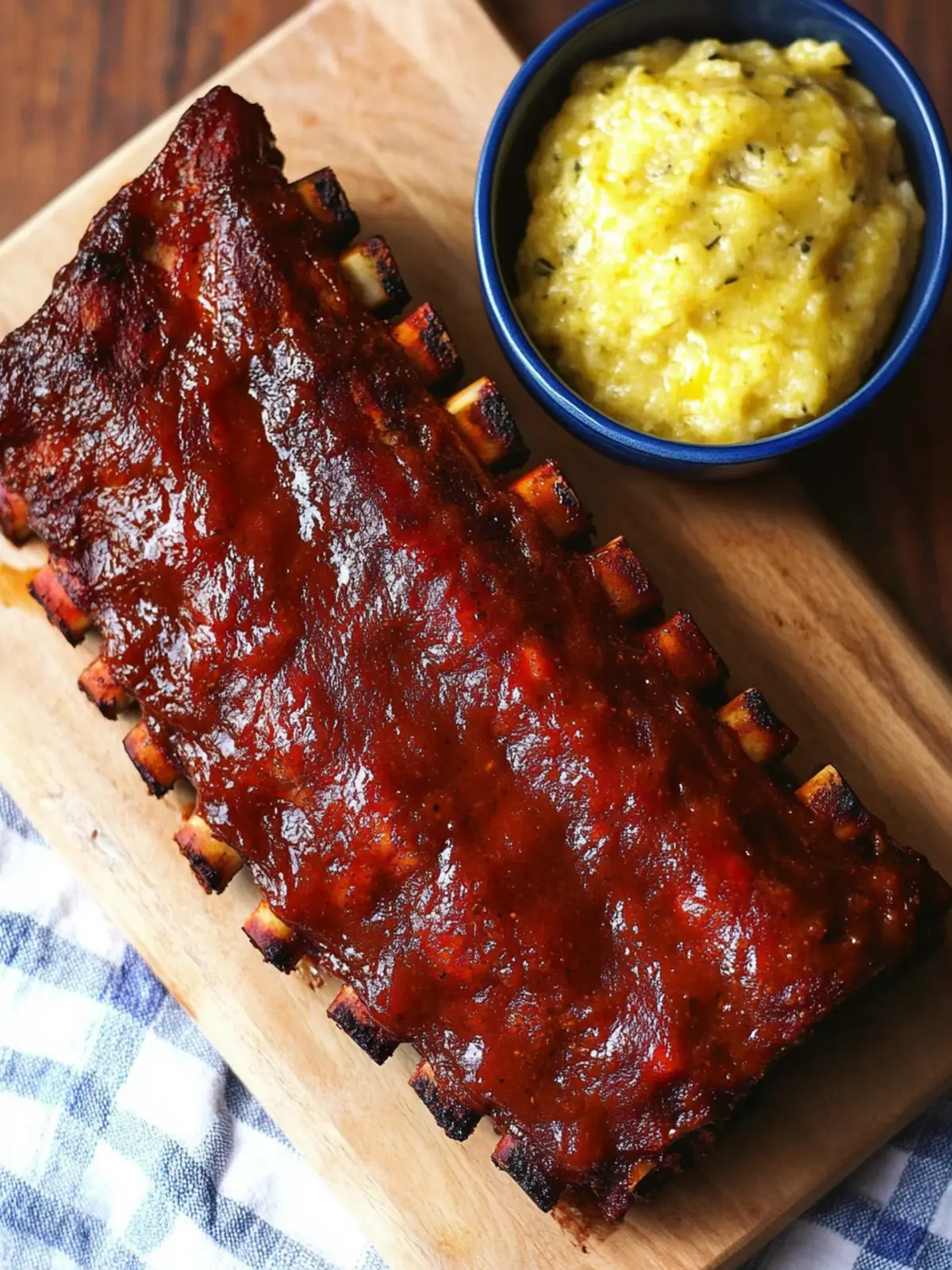
Smoked St. Louis Style Ribs with Irresistible BBQ Flavor
Ingredients
Equipment
Method
- Prepare Dry Rub: In a bowl, mix together the kosher salt, white sugar, light brown sugar, sweet paprika, black pepper, granulated garlic, granulated onion, and chipotle powder until fully combined. Set aside.
- Make BBQ Sauce: In a saucepan, combine ketchup, apple cider vinegar, brown sugar, smoked paprika, granulated garlic, chili powder, kosher salt, and black pepper. Simmer over low heat for 5-10 minutes, stirring occasionally until the sauce thickens. Allow it to cool.
- Set Up Smoker: Preheat your smoker to 250°F (121°C). If using a grill, create an indirect cooking zone and maintain temperature.
- Prepare Ribs: Remove the membrane from the back of the ribs. Coat ribs with yellow mustard and rub the dry spice blend over the meat.
- Start Smoking: Place seasoned ribs into the smoker. Cook for about 2 hours, spritzing every 30-40 minutes.
- Wrap Ribs: Remove ribs from smoker, spritz again, and wrap in butcher paper. Return to smoker until internal temperature reaches 205°F (1 to 1.5 hours).
- Glaze and Rest: After smoking, brush ribs with BBQ sauce. Let rest for 10-15 minutes before cutting.